Introduction: What You Need to Know Before Choosing
If you’re in the metalworking business, whether you’re running a small shop or a large manufacturing plant, you’ve probably wondered which machine is right for your needs: CNC Laser Cutter for Metal or CNC Router for Metal. Both CNC Laser Cutter for Metal and CNC Router for Metal are computer-controlled, so they’re way more precise than manual tools, but they work in totally different ways. Picking the wrong one—whether it’s a CNC Laser Cutter for Metal when you need a CNC Router for Metal, or vice versa—can cost you time, money, and frustration—wasting materials on bad cuts or ending up with a machine that can’t handle your projects. This guide breaks everything down in simple terms, no fancy jargon, so you can make the best choice between CNC Laser Cutter for Metal and CNC Router for Metal for your work.
How Each Machine Actually Works (No Tech Overload)
Let’s start with the basics: how do these two machines get the job done? They both use CNC (computer numerical control) to follow precise instructions from a design file, but their cutting methods are like night and day.
The Laser-Using Machine: No Touch, Just Heat
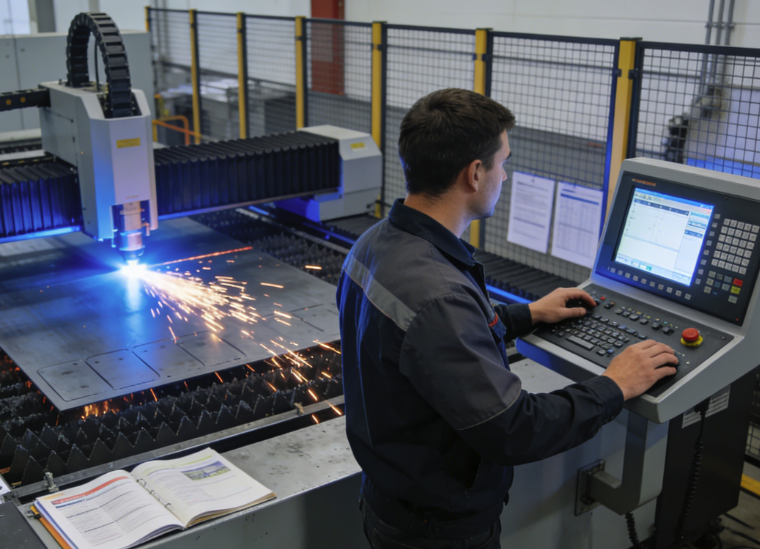
The first one, CNC Laser Cutter for Metal, works by focusing a super powerful laser beam onto the metal. It doesn’t touch the material at all—instead, the laser’s heat melts, burns, or vaporizes the metal along the cut line. Think of it like using a magnifying glass to focus sunlight to burn a piece of paper, but way more powerful and precise. The laser is controlled by a computer, so it follows your design exactly, making tiny, clean cuts without any physical pressure on the metal. This means no warping or bending of the material, which is huge for delicate projects that require the precision of a CNC Laser Cutter for Metal.
The Rotating Bit Machine: Carving and Cutting with Force
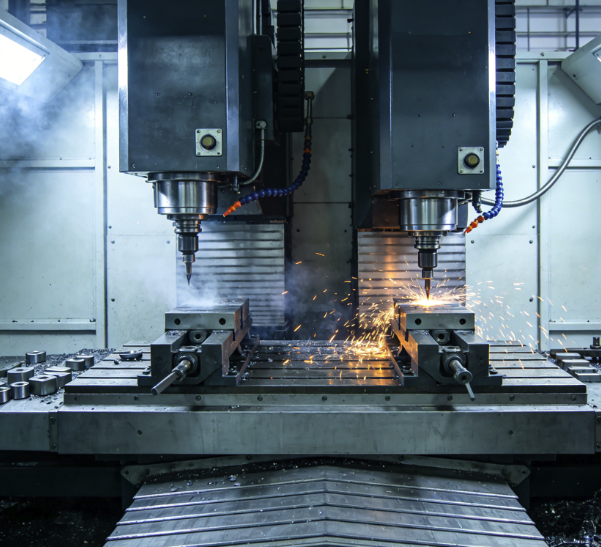
The second machine, CNC Router for Metal, uses a rotating cutting bit (kind of like a tiny, super strong drill bit) to physically remove material from the metal. It’s like a robotic carving tool—instead of you holding a router by hand, the computer guides the bit along the design path. The bit spins at high speed, chipping away at the metal to create cuts, grooves, or even 3D shapes. Since it’s physical contact, CNC Router for Metal can handle thicker, denser metals, but it does put pressure on the material, so you have to be careful with thinner pieces that might bend.
What Each Machine Does Best (And What It Doesn’t)
Neither machine is “better”—they’re just better for different jobs. Let’s break down their strengths and weaknesses so you can match them to your projects.
Best Uses for the Laser Machine
This machine shines (pun intended) when you need precision and clean edges, especially with thin to medium-thick metal. It’s perfect for projects like custom metal signs, intricate metal art, or small, detailed parts for electronics or aerospace. Since it doesn’t touch the metal, it leaves no burrs (those rough edges you have to sand down) and can cut super fine details—like tiny holes or complex patterns—that would be almost impossible with a rotating bit. It’s also great for engraving logos or text on metal surfaces, since the laser can etch without damaging the material.
The downside? It’s not great for super thick metal (think more than 20mm for most models) because the laser has to work harder to cut through, which slows it down and uses more energy. It also struggles with highly reflective metals, like copper or brass, because the laser bounces off the surface instead of being absorbed.
Best Uses for the Rotating Bit Machine
This one is your go-to for thicker, heavier metal pieces and jobs that require more force. If you’re cutting thick steel plates, carving 3D shapes into metal, or drilling multiple holes in a single piece, this machine is better suited. It’s also more versatile for different metal types—from aluminum and brass to stainless steel and titanium—because the rotating bit can handle denser materials without struggling.
The trade-off? It’s not as precise as the laser machine. You might get small burrs that need sanding, and it can’t handle super fine details as well. It’s also slower for thin metal, since the bit has to make multiple passes to get a clean cut, whereas the laser can do it in one pass.
Key Factors to Consider When Selecting (Don’t Guess—Plan)
Choosing between these two isn’t about which is “cooler”—it’s about which fits your specific needs. Here are the most important things to think about before you buy or invest.
1. Your Material: Thickness and Type
First, ask yourself: what kind of metal are you cutting, and how thick is it? If you mostly work with thin to medium metal (1-10mm) and need clean, detailed cuts, go with the laser machine. If you’re cutting thick metal (10mm+) or working with dense alloys, the rotating bit machine is better. Also, if you work with reflective metals often, the rotating bit machine will give you fewer headaches than the laser.
2. Your Projects: Precision vs. Power
What do you make most often? If your work is all about fine details—like custom jewelry, small metal parts, or engraved signs—precision is key, so the laser machine is your best bet. If you’re making large, sturdy pieces—like metal frames, heavy machinery parts, or 3D carved metal decor—you need the power of the rotating bit machine.
3. Your Budget: Initial Cost vs. Long-Term Expenses
The laser machine usually costs more upfront, especially if you need a high-power model for thicker metal. But it saves money in the long run because it uses less energy, leaves no burrs (so less time sanding), and has fewer moving parts to maintain. The rotating bit machine is cheaper upfront, but you’ll spend more on replacement bits, maintenance for the spindle, and extra labor for sanding burrs.
4. Your Space and Setup
Laser machines need proper ventilation because they produce fumes when cutting metal—you’ll need a good exhaust system to keep the air clean. They also need a stable power supply to keep the laser consistent. Rotating bit machines are a bit more forgiving on space, but they do produce more dust and chips, so you’ll need a dust collection system to keep your shop clean.
Efficiency Comparison: Which Is Faster and More Cost-Effective?
Efficiency isn’t just about speed—it’s about how much time, money, and material you waste. Let’s compare the two side by side for common tasks.
Speed: Laser Wins for Thin Metal, Rotating Bit for Thick
For thin metal (1-5mm), the laser machine is way faster. It can cut through in a single pass, even with complex designs. The rotating bit machine has to make multiple passes, which adds time. But for thick metal (10mm+), the tables turn: the rotating bit machine cuts faster because the laser has to slow down to melt through the thick material, which takes more time and energy.
Material Waste: Laser Is More Efficient
The laser’s cut width (called the kerf) is super small—usually less than 0.1mm—so it wastes almost no material. The rotating bit machine has a wider cut width (0.5mm or more), which means more metal is chipped away and wasted. Over time, this adds up, especially if you’re working with expensive metals like titanium or stainless steel.
Maintenance: Laser Is Lower Effort
Laser machines have fewer moving parts—no rotating bits, no spindle to maintain. You’ll just need to clean the laser lens occasionally and replace the laser tube every few years. Rotating bit machines need regular bit replacements (they wear down quickly when cutting metal), spindle maintenance, and more frequent cleaning of the dust collection system. This means more downtime and higher maintenance costs for the rotating bit machine.
Final Tips: Avoid Common Mistakes
Don’t make the mistake of buying a machine based on price alone—cheaper isn’t always better. If you need precision but buy a rotating bit machine to save money, you’ll end up spending more on sanding and rework. Conversely, if you need to cut thick metal but buy a laser machine, you’ll be frustrated with slow speeds and poor results.
Also, test before you buy if you can. Most manufacturers will let you send a sample of your material and design to test on their machines, so you can see the results firsthand. This is the best way to make sure the machine can handle your specific projects.
Wrap-Up: Choose the Right Tool for the Job
At the end of the day, both machines are great—they just serve different purposes. The laser machine is perfect for precision, thin metal, and detailed work, while the rotating bit machine is better for power, thick metal, and 3D carving. By considering your materials, projects, budget, and space, you can pick the one that will save you time, money, and hassle in the long run. Remember: the best machine is the one that fits YOUR needs, not the one that’s most popular or most expensive.