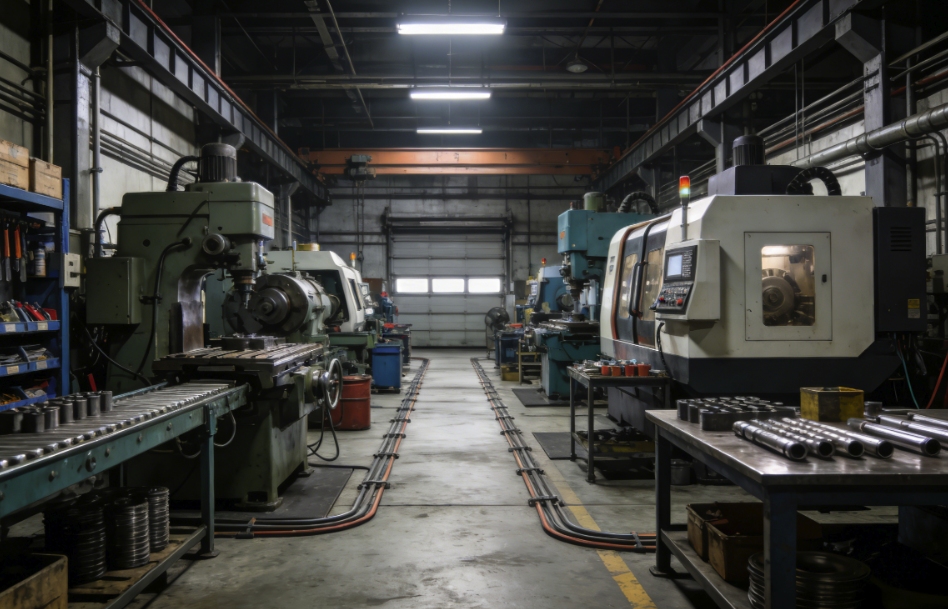
W dzisiejszym dynamicznym środowisku produkcyjnym, Metal Work Shops are more than just spaces for cutting and shaping metal—they are hubs of precision, productivity, and the art of working with metals. The key to unlocking their full potential lies in a functional layout and efficient management that ties together every element, from metal work tools to teams, and from metal working machines to the daily work in metal.
The Foundation: Designing a Functional Layout for Metal Work Shops
A well-thought-out layout is the backbone of high-performing Metal Work Shops. It ensures that every square foot is used purposefully, minimizing wasted movement and maximizing workflow.
Zoning by Function
Start by dividing your Metal Work Shops into clear zones that align with each metal work function. A dedicated area for metal work tools keeps essential items within arm’s reach, while a separate zone for metal working machines and machine for metal work ensures heavy equipment operates safely away from foot traffic. This separation also supports specialized metal working projects, whether you’re handling small precision parts or large structural components.
Ergonomic Work Stations
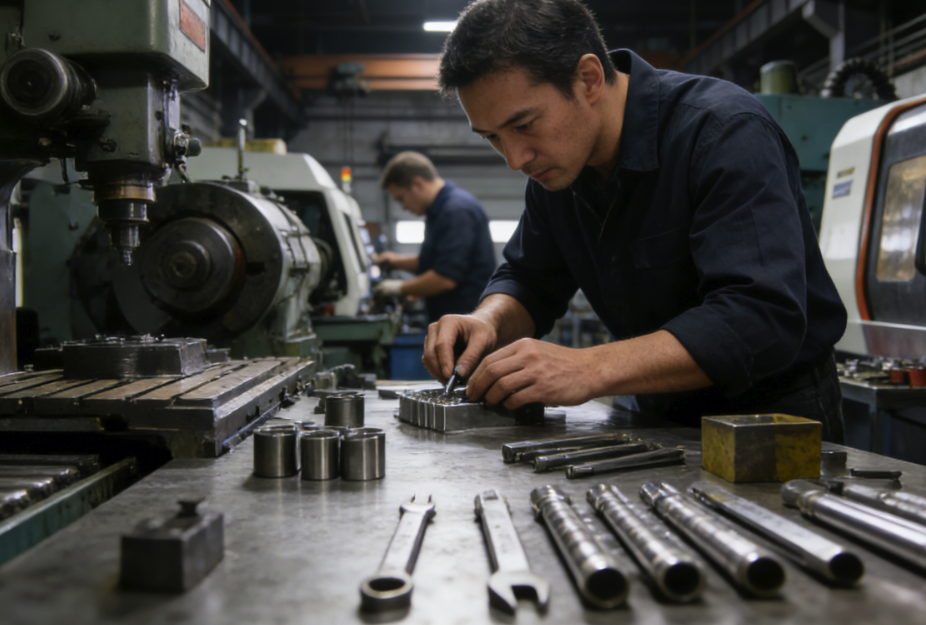
Ergonomic workstations are crucial! In a metalworking shop, the metal workbench is the core of daily operations. Placing the workbench near the raw material storage area and power source reduces worker fatigue and eliminates the need for workers to travel long distances to retrieve supplies, which is essential for maintaining the pace of metal processing. Providing each workbench with a well-organized storage area for hardware tools allows workers to focus on metal processing without wasting time searching for tools.
Material Flow Optimization
In Metal Work Shops, raw materials should move seamlessly from receiving to metal working projects and final inspection. This linear flow prevents bottlenecks and ensures that metal working equipment and machine for metal work are always used at peak efficiency. For example, grouping metal working machines by task—such as CNC routers and lathes—creates a streamlined cell for work in metal that minimizes travel time between steps.
Streamlining Operations: Management Strategies for Metal Work Shops
Even the most perfect workshop layout is useless without a reliable management system. Below, we share several practical and actionable methods to make your metal processing workshop run smoothly and efficiently, like a finely tuned machine.
Preventive Maintenance Schedules
In Metal Work Shops, downtime due to broken machinery can derail entire metal working projects. Implement a regular maintenance plan for metal working machines, machine for metal work, and metal working equipment to catch issues before they cause delays. This includes calibrating tools, replacing worn parts, and testing metal work function to ensure consistent performance.
Skill-Based Task Allocation
Train your team to excel in specific metal work function areas, from operating machine for metal work to mastering the art of working with metals. When operators are assigned tasks that match their expertise, Metal Work Shops see fewer errors and faster turnaround times. For example, a technician skilled in CNC programming will deliver better results on aluminium cnc machining china projects than a generalist.
Lean Inventory Practices
Overstocking metal work tools ties up capital and clogs floor space in Metal Work Shops. Use a just-in-time system to keep stock levels lean, ensuring you have exactly what you need for active metal working projects. This approach also extends to metal working equipment, where shared access to specialized machine for metal work reduces redundancy and costs.
Digital Tracking Tools
Modern metalworking workshops rely on specialized software to monitor production progress, the usage of metalworking tools, and equipment maintenance records. Having this data readily available allows managers to make informed decisions based on facts, rather than intuition, ensuring the smooth progress of the entire metalworking process. For large metalworking companies, using a unified, centralized tracking system can also ensure consistent operating standards across multiple metalworking workshops.
Why This Matters for Metal Work Shops
The principle is actually quite simple: if a workshop can combine a scientifically sound and rational layout with efficient and effective daily management, the benefits are numerous: production costs can be reduced, product quality can be improved, and the workshop environment will be safer. For example, in a metal processing workshop, by properly planning the various functional areas, the time spent on material handling alone can be reduced by as much as 30%; and by proactively performing maintenance on equipment, downtime due to equipment failure can be reduced by 25%.
These principles apply whether you’re running a small local facility or part of a large metal working group. For businesses specializing in aluminium cnc machining china, optimizing Metal Work Shops is even more critical, as precision and speed are non-negotiable in global supply chains. By prioritizing the art of working with metals, investing in the right metal work tools and machine for metal work, and refining every metal work function, your Metal Work Shops will not only meet today’s demands but also thrive in the future of manufacturing.