If you’re in manufacturing, metal fabrication, or CNC machining, you know how much a reliable tool for precision cutting can make or break your project. A subpar tool leads to uneven cuts, wasted material, and hours of rework—all of which eat into your profits and delay deadlines. That’s why choosing the right tool for precision cutting isn’t just a purchase; it’s an investment in your shop’s efficiency and quality. But with so many options on the market, how do you know which one is built for industrial-grade work?
We’re breaking down the 3 non-negotiable features every industrial tool for precision cutting must have. Whether you’re upgrading your current setup or buying for a new production line, these features will ensure you get consistent, accurate results, even in the most demanding high-volume environments.
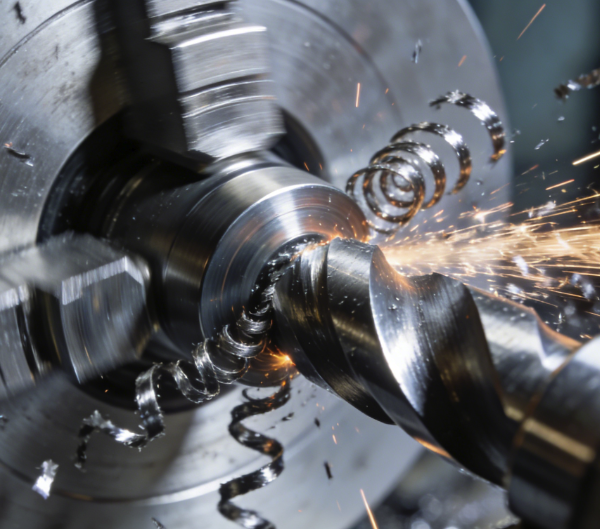
1. Unmatched Material Durability for High-Volume, High-Stress Work
Industrial cutting isn’t a one-and-done job. Most shops run their tools 8+ hours a day, cutting through tough materials like stainless steel, aluminum, titanium, and hardened alloys. If your tool for precision cutting can’t stand up to that kind of stress, it’ll wear down fast, lose its sharp edge, and start producing inaccurate cuts before you know it.
That’s why material durability is the first critical feature to look for. The best industrial tools are made from premium, heat-resistant materials like solid carbide, high-speed steel (HSS) with cobalt additives, or diamond-coated blades. These materials don’t just last longer—they maintain their hardness even at the high temperatures generated by continuous cutting, so you don’t have to stop mid-run to replace a dull tool.
Let’s put this in perspective: A cheap, low-grade tool for precision cutting might last 100 cuts on mild steel before needing to be resharpened or replaced. A high-quality carbide tool, on the other hand, can handle 1,000+ cuts on the same material, with consistent accuracy the entire time. For a shop running 10,000 cuts a month, that means fewer tool changes, less downtime, and way less material waste from bad cuts.
Durability also ties into tool stability. Industrial cutting requires tight tolerances—often within thousandths of an inch. A flimsy tool that bends or vibrates under pressure will never hit those tolerances, no matter how good your CNC machine is. A durable, rigid tool for precision cutting stays straight and steady, so every cut is exactly where it needs to be, every single time.
2. Precision-Engineered Geometry for Clean, Accurate Cuts
Durability is useless if the tool itself isn’t designed for precision. The second critical feature is a precision-engineered cutting geometry, tailored to the specific materials and applications you work with. This isn’t a one-size-fits-all part of the design; the angle of the cutting edge, the number of flutes, and the chip evacuation design all play a huge role in how well the tool performs.
For example, if you’re cutting soft, gummy materials like aluminum, you need a tool for precision cutting with a high rake angle and wide flutes. This prevents the material from sticking to the blade, which causes burrs, rough cuts, and tool clogging. If you’re cutting hard, abrasive materials like titanium, you need a lower rake angle and a more robust edge, to withstand the impact without chipping or breaking.
Chip evacuation is another huge part of geometry that’s easy to overlook. When you’re cutting at high speeds, the tool generates a lot of metal chips. If those chips get trapped in the flutes, they can scratch the workpiece, damage the cutting edge, or even cause the tool to break. A well-designed tool for precision cutting has optimized flute geometry that pulls chips away from the cut quickly and efficiently, keeping the cutting edge cool and clean.
This feature is what separates a hobbyist tool from an industrial one. A cheap tool might have a generic geometry that works okay for small, occasional projects. But for industrial production, where consistency is everything, you need a tool that’s engineered specifically for your use case. Whether you’re doing micro-cutting for aerospace parts or heavy-duty cutting for structural metal, the right geometry ensures every cut is clean, burr-free, and within your required tolerances.
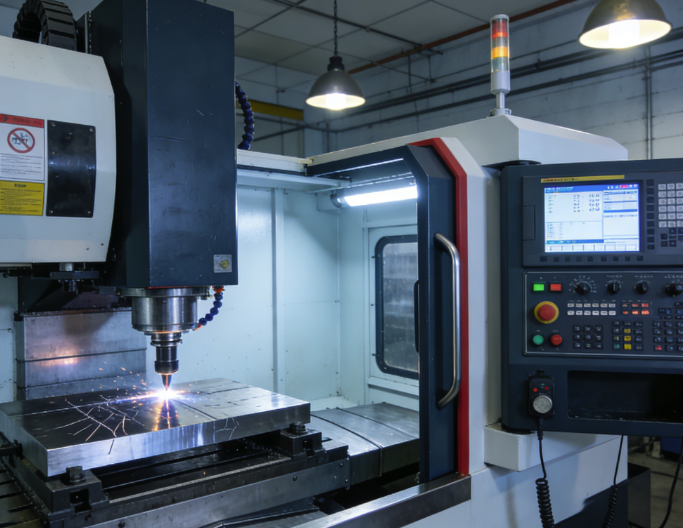
3. Compatibility with Modern Industrial Machinery & Workflows
The third critical feature is seamless compatibility with your existing industrial setup. A tool for precision cutting is only as good as the machine it’s used on, and if it doesn’t work with your CNC machines, workholding systems, or production workflows, it’s a waste of money.
First, check the tool’s shank size and mounting system. Most modern industrial CNC machines use standard holders like CAT, BT, or HSK, and your tool for precision cutting must fit those holders perfectly to ensure maximum rigidity and accuracy. A loose or ill-fitting tool will cause vibration, leading to poor cut quality and tool wear.
Second, look for tools that are optimized for high-speed machining (HSM) and high-feed milling, which are standard in most industrial shops today. A good tool for precision cutting is designed to handle the high spindle speeds and feed rates of modern CNC machines, without sacrificing accuracy or durability. This lets you run your machines at full capacity, cutting down on production time and increasing your output.
Compatibility also extends to your workflow. For example, if you use a tool management system to track tool life and maintenance, choose a tool for precision cutting that’s compatible with that system. If you do a lot of multi-axis machining, look for tools that are designed for those complex cutting paths, with geometries that prevent tool deflection and collision.
Finally, consider the tool’s versatility. While you want a tool tailored to your primary application, a versatile tool for precision cutting that can handle multiple materials or operations will save you money and reduce the number of tools you need to stock. For example, a multi-purpose carbide end mill that can cut both steel and aluminum is a great investment for a shop that works with a variety of materials.
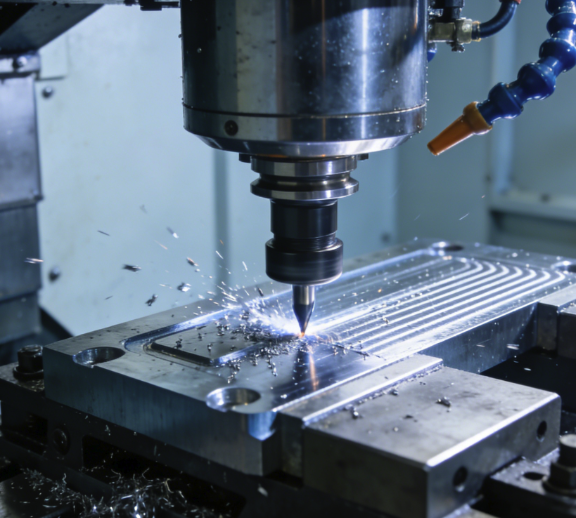
Final Thoughts: Investing in the Right Tool for Precision Cutting
At the end of the day, choosing a tool for precision cutting for industrial use comes down to these three non-negotiable features: durability, precision geometry, and compatibility. A tool that checks all three boxes will not only produce better, more consistent cuts—it will save you time, money, and frustration in the long run.
Don’t just buy the cheapest option on the market. A low-quality tool for precision cutting might save you a few dollars upfront, but it will cost you far more in downtime, rework, and wasted material. Invest in a tool that’s built for industrial work, and you’ll see the difference in every single cut you make.
Whether you’re a small shop owner or a production manager at a large manufacturing facility, these features will help you make the right choice for your business. After all, your tools are the backbone of your operation—so why settle for anything less than the best?