If you work with precision laser cutting, you know the struggle—even the fanciest machine can mess up if you’re not using the right precision tool or following the right steps. 2026 is all about getting cleaner cuts, wasting less material, and saving time, and it all starts with nailing the basics. I’m not here to throw fancy jargon at you; this is just real-world tips from someone who’s spent years tinkering with laser cutters and tools, making mistakes so you don’t have to.
Let’s keep it simple: precision laser cutting is only as good as the precision tool you pair it with, and the habits you build. Whether you’re a seasoned pro or just getting started with laser cutting in 2026, these best practices will help you get consistent, accurate results every time—no guesswork required.
1. Start with the Right Precision Tool (Don’t Skimp on Quality)
First things first: you can’t get precise laser cuts with a shoddy tool. I’ve seen so many people try to cut corners (pun intended) by using cheap, low-quality tools to go with their laser cutter, and it always backfires. In 2026, the best practice is to invest in a precision tool that’s designed specifically for your laser cutting needs—whether that’s an alignment tool, a calibration tool, or a material holding tool.
Here’s the thing: a good precision tool doesn’t have to break the bank, but it does need to be reliable. Look for tools that are durable (no flimsy plastic parts that break after a few uses) and calibrated correctly out of the box. For example, if you’re cutting thin metal sheets, a clamping tool that keeps the material flat and steady will prevent the precision laser from wandering and making uneven cuts. Trust me, spending a little extra on a quality tool will save you hours of rework and wasted material down the line.
2. Calibrate Your Precision Laser and Tool Together (Every Time)
One of the biggest mistakes I see is people calibrating their precision laser but forgetting to calibrate their tool—and vice versa. These two work as a team, so they need to be in sync. Even if your laser is perfectly calibrated, if your precision tool is off by just a little bit, your cuts will be off too.
In 2026, make it a habit to calibrate both your precision laser and your tool before every big project (or at least once a week if you’re using them daily). It’s easier than you think: most laser cutters have a simple calibration feature, and your precision tool should come with instructions to adjust it. For example, if you’re using a ruler to measure material, double-check that it’s aligned with the laser’s path—even a 1mm misalignment can ruin an entire project. Take 5 minutes to do this, and you’ll avoid countless headaches.
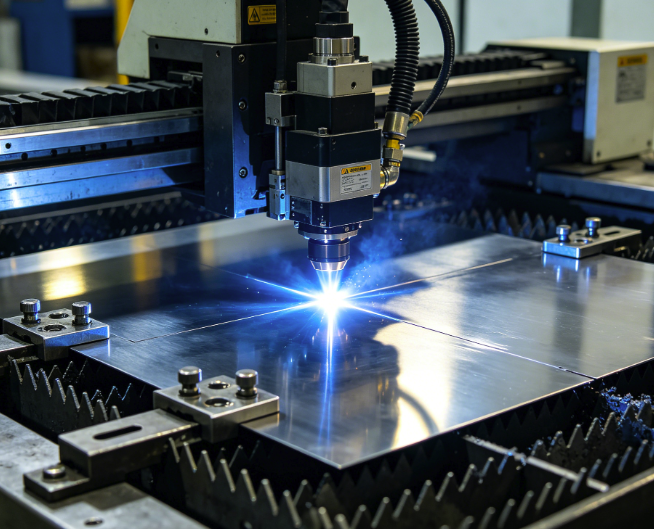
3. Choose the Right Material (It Matters More Than You Think)
Laser cutting and precision tools work best when you’re using the right material. Not all materials are created equal—some are easier to cut with a precision laser, and some require a specific tool to get clean results. In 2026, don’t just grab whatever material is handy; take a minute to think about what will work best with your setup.
For example, if you’re cutting wood, softwoods like pine are easier to work with than hardwoods like oak—you’ll get cleaner cuts with less effort, and your tool will have an easier time holding the material steady. If you’re cutting metal, thin sheets (1mm or less) are better for precise cuts than thick sheets, which require more laser power and a sturdier precision tool to keep them in place. Also, make sure your material is clean and free of debris—dust or oil on the surface can throw off the laser and make your tool less effective. A quick wipe with a clean cloth before you start can make a huge difference.
4. Master the Basics of Speed and Power (No More Trial and Error)
Even with the best precision laser and tool, you’ll get bad cuts if your speed and power settings are wrong. I used to spend hours testing different settings, wasting material until I found the sweet spot—but in 2026, there’s a better way. The key is to match your speed and power to your material and your precision tool.
Here’s a quick rule of thumb: thicker materials need more power and slower speed, while thinner materials need less power and faster speed. But don’t just guess—use the recommended settings for your laser cutter, and adjust based on your tool. For example, if you’re using a precision tool that holds the material very tightly, you can run the laser a little faster because the material won’t move. If your tool is a bit looser (not ideal, but sometimes necessary), slow down the laser to avoid mistakes. Also, start with a test cut on a scrap piece of material—this lets you adjust the settings without wasting your good material. It’s a simple step, but it’s one that so many people skip.
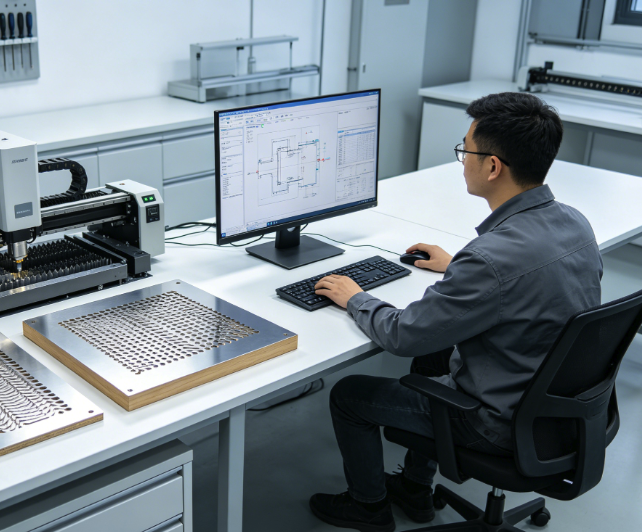
5. Keep Your Precision Tool Clean and Maintained
Your precision tool is your sidekick for laser cutting—so treat it right. In 2026, make maintenance a priority. Dust, debris, and even oil can build up on your tool over time, making it less accurate. For example, if you’re using an alignment tool, wipe it down with a dry cloth after each use to remove any dust. If you’re using a clamping tool, check the screws regularly to make sure they’re tight—loose screws can cause the material to shift mid-cut.
Also, store your precision tool in a dry, clean place when you’re not using it. Avoid leaving it on the workbench where it can get knocked around or covered in debris. A simple tool case or drawer will keep it protected and in good shape. Remember, a well-maintained tool will last longer and work better—saving you money and frustration in the long run.
6. Don’t Overcomplicate Things (Keep It Simple in 2026)
Finally, the best practice for laser cutting with a precision tool in 2026 is to keep it simple. You don’t need fancy software or expensive add-ons to get great results—you just need to follow the basics: use a quality precision tool, calibrate your laser regularly, choose the right material, set your speed and power correctly, and maintain your tools. I’ve seen people spend thousands of dollars on upgrades, only to still make mistakes because they forgot the fundamentals.
At the end of the day, precision laser cutting is about consistency. If you can build these simple habits into your workflow, you’ll get clean, accurate cuts every time. Whether you’re cutting parts for a project, creating custom pieces, or working in a production setting, these best practices will help you get the most out of your laser and precision tool in 2026.
So, grab your tool, fire up your laser cutter, and put these tips to the test. You’ll be surprised at how much better your cuts look—and how much time and material you save. Happy cutting!