If you’re in construction, manufacturing, or infrastructure, you’ve probably heard of commercial metal fabrication services and rolled metal fabrication services. But let’s be real—do you actually get what they do, how they work, or when you should pick one over the other? Most folks don’t, and that’s totally fine. I’m here to break it all down without any fancy jargon, so you can nail your next project.
What even are commercial metal fabrication services?
Let’s start simple. Commercial metal fabrication services are basically turning raw metal into parts or structures that work for commercial use. Think about the steel framing in a new office, the railings on a store’s staircase, or the metal boxes that hold factory equipment—all of those come from commercial metal fabrication. And it’s not just cutting and bending metal; it’s a whole process made to fit exactly what you need, from design specs to safety rules.
Most commercial metal fabrication jobs start with a design, either from your engineering team or the fabricator’s in-house experts. They’ll turn that design into detailed drawings or CAD models to make sure every measurement is spot on. Then they pick the right metal—usually steel, aluminum, thép không gỉ, or copper—depending on what the part does and where it’s going to be used.
After that, it’s cutting, shaping, hàn, and finishing. Every step is done carefully to make sure the end product is strong, lasts long, and fits like it’s supposed to. There’s no one-size-fits-all here; every project is different, and the best fabricators will tweak their methods to match what you’re looking for.
How rolled metal fabrication services fit into the mix
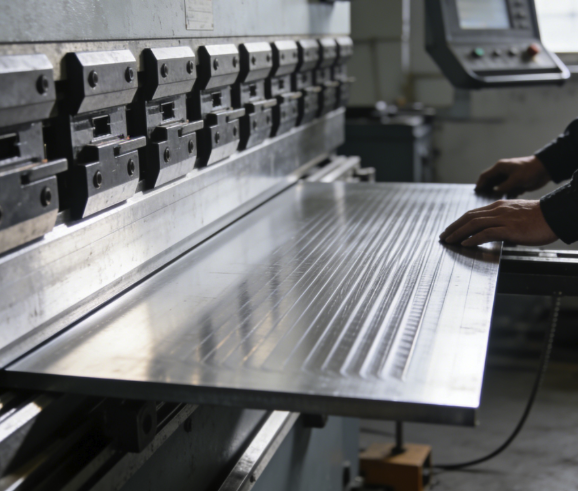
Now let’s talk rolled metal fabrication services. This is a specific kind of commercial metal fabrication that’s all about bending long metal strips into a certain shape over and over. Think metal studs for building frames or long metal channels used in construction. Rolled metal fabrication uses a set of rollers, each bending the metal a little bit until it gets the exact shape you need.
The best part about rolled metal fabrication services is that it’s perfect for big orders. If you need hundreds or thousands of the same exact part, this method is fast, có hiệu quả, and makes every piece the same. It’s also great for long parts that would be a pain to shape with other methods, like regular bending.
Unlike some other fabrication methods, rolled metal fabrication is a cold process—meaning they don’t heat the metal up while shaping it. That keeps the metal strong and stops it from warping. Plus, it cuts down on waste since the process is continuous and precise; you won’t end up with extra scrap metal that goes to waste.
Common materials used in both services
Both commercial metal fabrication services and rolled metal fabrication services use a bunch of different metals, but some are more common than others. Steel is the most popular because it’s strong, lasts long, and doesn’t cost a fortune. It’s used for everything from building frames to machine parts. Aluminum is another go-to because it’s light and doesn’t rust, which is perfect for outdoor projects or parts you need to move around.
Stainless steel is great for projects that need to be clean or rust-proof, like parts for food processing or medical places. Copper is used for its ability to conduct electricity, so you’ll see it in electrical parts or plumbing. The key is picking the right metal for your project, and if you’re not sure, your fabricator can help you figure it out.
The step-by-step process (no jargon promise)
Whether you’re using commercial metal fabrication services or rolled metal fabrication services, the process is pretty similar, with just a few differences in how they shape the metal. First, you’ve got design and engineering. This is where you work with the fabricator to figure out exactly what you need. They’ll check the metal’s strength, measurements, and how precise it needs to be to make sure it’s up to par.
Next is picking the material, like we talked about earlier. That depends on what the part does and where it’s going. Then comes cutting and shaping. For regular commercial fabrication, that might be laser cutting, plasma cutting, or bending. For rolled metal fabrication, it’s all about feeding the metal through those rollers to get the right shape.
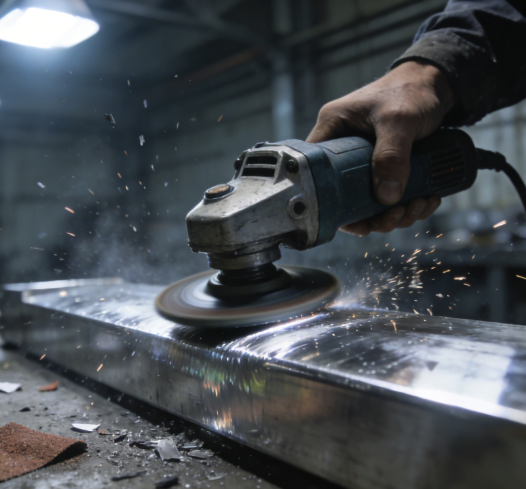
After shaping, they weld or bolt the parts together (if it’s a multi-part project) to make the final product. Finally, there’s surface finishing. That could be powder coating, sandblasting, or galvanizing to keep the metal from rusting and make it look better.
When to choose commercial vs rolled metal fabrication
So how do you decide which service to use? It all comes down to what your project needs. If you need custom, one-of-a-kind parts or complex assemblies that aren’t all the same, commercial metal fabrication services are your best bet. Think custom staircases, unique equipment boxes, or structural parts that are different shapes and sizes.
If you need a lot of the same, uniform long part, rolled metal fabrication services are better. Things like metal studs, tracks, or channels that are the same length and shape every time. Rolled metal fabrication is faster and cheaper for these kinds of projects.
Another thing to think about is precision. If you need super tight measurements, both services can do it, but rolled metal fabrication is especially good for keeping every part the same across hundreds or thousands of pieces. Commercial fabrication is better for parts that need more flexibility in design.
Mistakes to avoid when hiring a fabricator
One of the biggest mistakes people make is not checking if a fabricator has experience with commercial metal fabrication services or rolled metal fabrication services. You want someone who’s done similar projects before, not someone who’s just starting out. Ask to see their past work and talk to their old clients if you can.
Don’t skip the design step either. A lot of people rush into fabrication without a clear design, and that leads to mistakes, delays, and extra costs. Take the time to work with the fabricator on the design and make sure you’re on the same page before they start cutting or bending.
Also, don’t forget to ask about lead times and pricing upfront. You don’t want to get hit with a huge bill or a delay that messes up your whole project. A good fabricator will be honest about costs and timelines from the start.
Why these services matter for your business
At the end of the day, commercial metal fabrication services and rolled metal fabrication services are all about helping your business get high-quality, durable metal parts that do what you need. Whether you’re building a new commercial space, making equipment, or upgrading your infrastructure, these services save you time, money, and headaches.
Good metal fabrication means parts that last longer, so you don’t have to replace or repair them as often. It also means parts that fit perfectly, so you don’t have to deal with expensive changes or delays. And when you work with a good fabricator, you get a partner who gets your project and helps you make it a success.
You don’t have to be a metal fabrication expert to make the right choices. Just remember the basics: what you need, how many parts you want, and which material makes sense. And if you’re ever unsure, just ask your fabricator—that’s what they’re there for.