If you work with aluminum CNC turning parts—especially aluminum brake parts—you know how easy it is to mess things up. Like, one little wrong move, from that first design sketch to the final finish, and the whole part is toast. I’ve been doing this for years, so this 2026 guide? It’s just me spilling what I’ve learned the hard way. No fancy industry words, no overcomplicated stuff—just real tips that actually work, whether you’ve been at this forever or you’re just starting out and feeling lost.
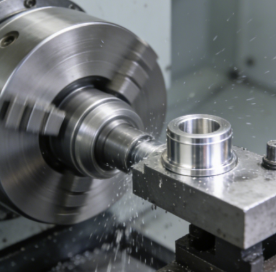
First Things First: What Even Are Aluminum CNC Turning Parts?
Let’s start with the basics, okay? So we’re all on the same page. Aluminum CNC turning parts are just aluminum pieces shaped by a CNC lathe. Think of it like a fancy spinning tool—you pop the aluminum in, it spins around, and the tool carves it into whatever shape you need. They’re used in all kinds of industries, but aluminum brake parts? Those need to be precise—no cutting corners, period. I’ll talk more about that later, promise.
The best thing about aluminum? It’s light, it doesn’t rust, and it’s way easier to machine than steel. That’s why most manufacturers grab it when they’re making parts like aluminum brake parts—where how light it is and how long it lasts actually matter.
Design Tips for Aluminum CNC Turning Parts (No Engineering Degree Needed)
Designing these parts isn’t that hard, but I see people make the same mistakes over and over. Let me break it down for you, so you don’t have to go through the frustration I did:
1. Keep it simple. Don’t add extra curves or tiny little details just because you can. The more complicated the design, the harder (and more expensive) it is to machine. And that’s even more true for aluminum brake parts—you want it to work well, not just look cool.
2. Watch the wall thickness. If you make the walls too thin, they’ll warp or break while you’re machining. Try to keep the thickness even, and avoid anything thinner than 1mm if you can. Thinner walls cause more vibration, which messes up the finish and makes the part off-kilter.
3. Add rounded corners. Sharp corners are such a pain to machine, and they make the part weaker. A small rounded edge—they call it a fillet, but honestly, you don’t need to remember that name—makes machining easier and the part stronger. Perfect for aluminum brake parts, which take a lot of beating.
Picking the Right Aluminum for Your Parts (Hint: Not All Aluminum Is the Same)
You can’t just grab any old aluminum and start machining. Different types work better for different jobs, and that’s super true for aluminum brake parts.
My go-to is 6061 aluminum. It’s easy to machine, strong enough for most jobs, and it doesn’t rust easily. If you need something stronger—like for heavy-duty aluminum brake parts—go with 7075 aluminum. It’s tougher, but it’s a little more finicky to work with.
Stay away from super soft aluminum if you’re making parts that need to handle pressure—and aluminum brake parts definitely fall into that category. Soft aluminum wears out faster and can’t take much stress, which is a big no-no.
CNC Machining Tips: How to Get It Right the First Time
Once your design is set, the machining part is where it all comes together. These are the tips that have saved me so much time, money, and headaches over the years:
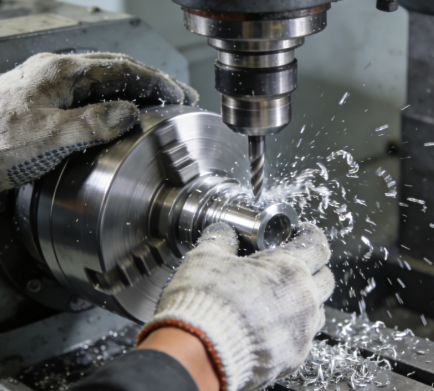
– Use the right tools. Carbide cutting tools are the way to go for aluminum. They stay sharp longer, and they don’t get all gummed up by the soft metal. Dull tools leave rough finishes and can ruin your whole part—trust me, I’ve been there, and it’s not fun.
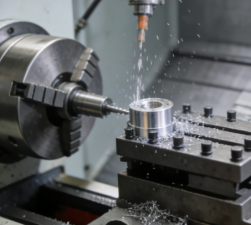
– Don’t skip the coolant. Aluminum gets sticky when it’s hot, so you need plenty of coolant to keep the tool and the part cool. That stops the aluminum from sticking to the tool—they call that “built-up edge,” but again, you don’t need to know the term. It just keeps the finish smooth and the tool in good shape.
– Take it slow, but not too slow. Aluminum machines fast, but if you rush it, you’ll get vibrations. Find a happy medium—fast enough to get the job done, slow enough to keep the part precise. For aluminum brake parts, this is make-or-break. Even a tiny mistake can mess up how they work, and that’s the last thing you want to deal with.
Finishing Touches: How to Make Your Aluminum CNC Turning Parts Last
The finish isn’t just about how the part looks—it’s about protecting it. AAnodizing is the most common finish for these parts. It adds a thin protective layer that stops rust and scratches. It comes in different colors if you care about how it looks, but for aluminum brake parts, function is everything. Clear or black anodizing works best—simple, effective, and reliable.
Another option is passivation. It’s simpler and cheaper than anodizing, but it still stops corrosion. It’s great for parts that don’t need to look fancy but still need to hold up over time—no need to overcomplicate things here, trust me.
Common Mistakes to Avoid (I’ve Made Them All!)
Let’s be real—we all mess up. These are the mistakes I see most often, so you can skip the frustration and learn from my blunders:
– Overcomplicating the design. I said this earlier, but it’s worth repeating. Simple designs are cheaper, faster to machine, and less likely to have errors. That’s especially true for aluminum brake parts—keep it simple, keep it reliable.
– Ignoring tolerances. Tolerances are just how precise the part needs to be. For aluminum brake parts, you can’t cut corners here. Too loose, and it won’t fit; too tight, and it’s impossible to machine (and way more expensive). Take the time to get the tolerances right—you’ll thank me later.
– Skipping quality checks. Always check the part after machining! A quick measurement takes two minutes, but it can save you from sending out bad parts.
Wrapping It Up: Your Go-To Guide for 2026
At the end of the day, working with aluminum CNC turning parts—especially aluminum brake parts—is all about keeping it simple. Pick the right material, pay attention to the small stuff, and don’t overcomplicate things. You don’t need to be an expert to get great results—just follow these tips, and you’ll avoid the most common mistakes I’ve seen over the years.Here’s to easier, smoother projects in 2026—no stress, no mistakes, just great parts.