3D Matériaux d'impression: Industrial Thermoplastics & High Detail Resins for 3D Printing

We offer a comprehensive range of 3D printing materials, including industrial-grade thermoplastics (ideal for functional parts) and high-detail resins for 3D printing (thermosets, perfect for visual prototypes) — all designed to meet industrial and prototyping needs with reliable 3D printing materials performance.

Position: Maison / Ressources / Matériels / 3D Matériaux d'impression

3D Matériaux d'impression

Nylon 3D Printing Materials: Industrial-Grade Solutions

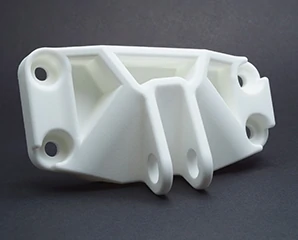
As one of our high-performance options, nylon 3D printing materials stand out in industrial use: they’re ideal for replacing functional injection moulded parts, with strong chemical resistance that makes them perfect for industrial applications. ß
Processus

SLS 3D Printing (Optimized for Nylon Materials)

Applications

When using nylon materials, SLS 3D printing is widely applied in prototyping and small-batch production of functional plastic parts — they deliver excellent mechanical properties for industrial use.

Strengths

Key advantages of this nylon material: No support material needed / Top-tier mechanical properties (a hallmark of high-quality options) / Capable of creating complex geometries for functional parts

Weaknesses

Compared to other FDM-processed materials, this nylon option may have a higher cost and longer lead times

SLS 3D Printing (Tailored for Nylon)

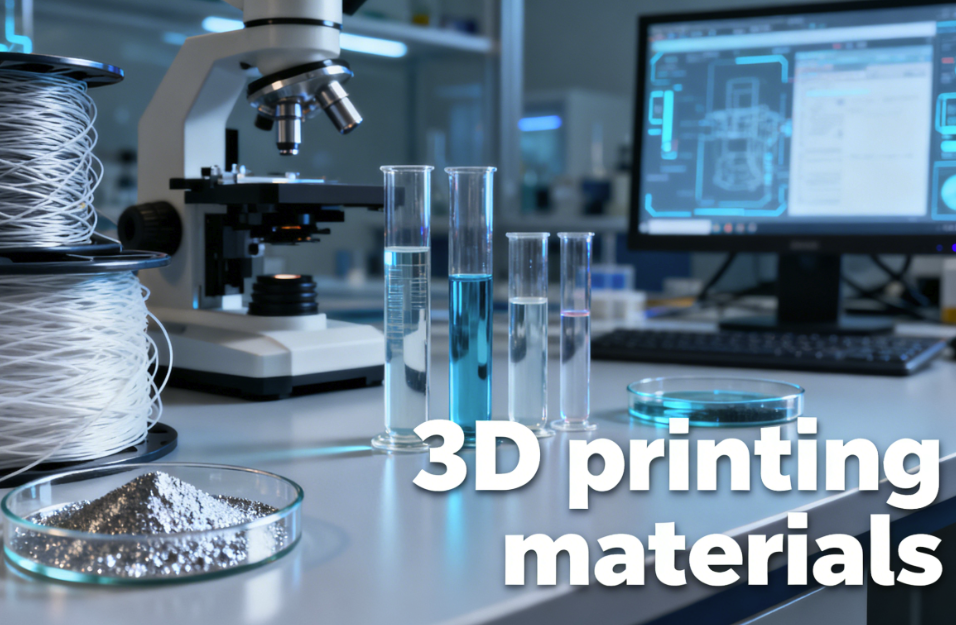
3D printing materials

High-Precision 3D Printing Materials for SLA

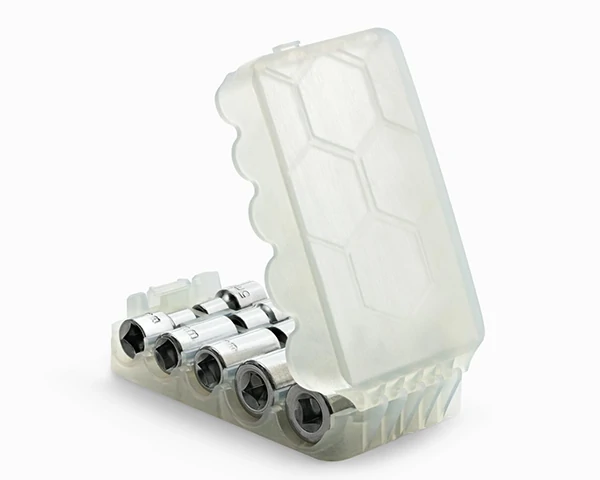
As one of our high-detail 3D printing materials, this 3D printing resin is ideal for injection mold-like prototyping: this SLA 3D printing material delivers smooth surfaces (a key benefit of top-tier 3D printing materials) for visual prototypes.
Processus

SLA 3D Printing (Tailored for Resin 3D Printing Materials)

Applications

SLS 3D printing (with nylon) is widely used for prototyping and small-batch functional plastic parts — it offers excellent mechanical properties for industrial needs.

Strengths

Key advantages of this nylon material: No support needed / Top-tier mechanical properties / Can create complex geometries for functional parts

Weaknesses

Versus FDM materials, this nylon option may have higher cost and longer lead times

3D Matériaux d'impression

PLA

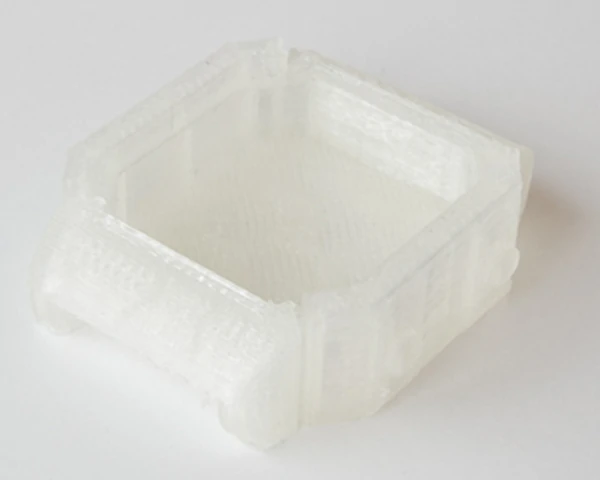
High stiffness, good detail, affordable.
Processus

FDM

Applications

FDM is the most widely available 3D printing process, mainly used for low-cost prototyping and design verification with very fast turnaround times.

Strengths

Low-cost Fast turnaround times

Weaknesses

Limited dimensional accuracy Print layers are likely to be visible

3D Matériaux d'impression

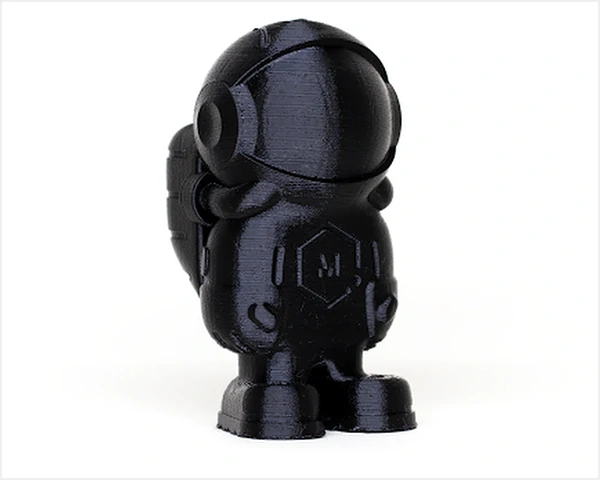
ABS

Commodity plastic, improved mechanical and thermal properties compared to PLA.
Processus

FDM

Applications

Industrial FDM

Strengths

Larger build size compared to Desktop FDM Industrial-grade materials Tighter tolerance compared to Desktop FDM

Weaknesses

Expensive printing

3D Matériaux d'impression

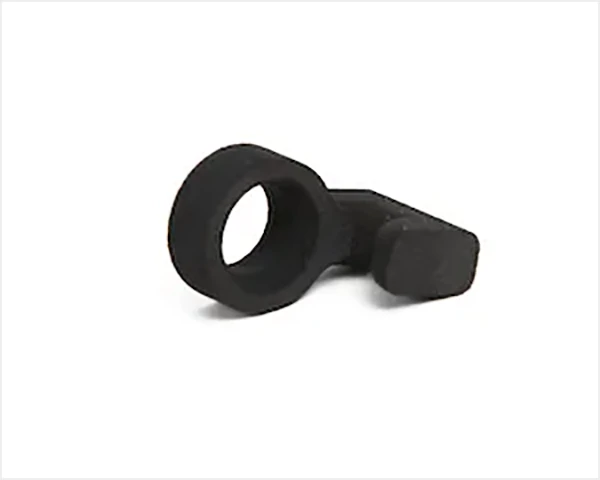
PETG

Good for mechanical parts with high impact resistance and flexibility. Sterilizable.
Processus

FDM

Applications

FDM is the most widely available 3D printing process, mainly used for low-cost prototyping and design verification with very fast turn around times.

Strengths

Low-cost Fast turnaround times

Weaknesses

Limited dimensional accuracy Print layers are likely to be visible

3D Matériaux d'impression

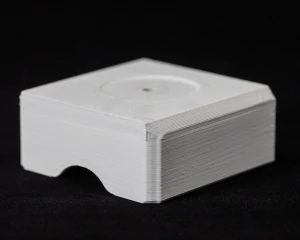
TPU

Rubber-like material, suitable for tubes, grips, seals and gaskets.
Processus

FDM

Applications

FDM is the most widely available 3D printing process, mainly used for low-cost prototyping and design verification with very fast turnaround times.

Strengths

Low-cost Fast turnaround times

Weaknesses

Limited dimensional accuracy Print layers are likely to be visible

3D Matériaux d'impression

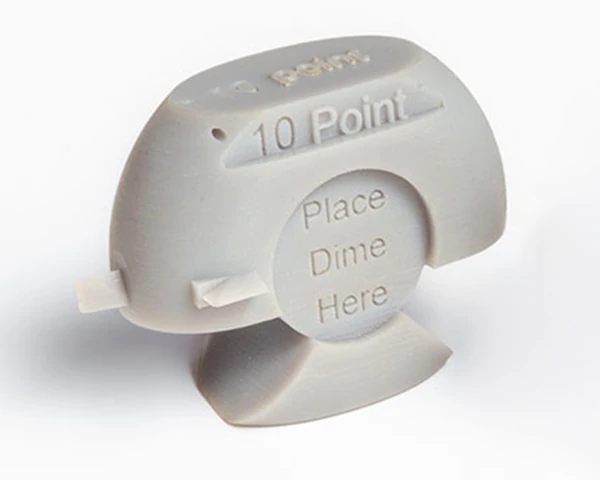
ASA

UV stability and high chemical resistance, preferred material for outdoor applications.
Processus

FDM

Applications

Industrial FDM

Strengths

Larger build size compared to Desktop FDM Industrial-grade materials Tighter tolerance compared to Desktop FDM

Weaknesses

Expensive printing

3D Matériaux d'impression

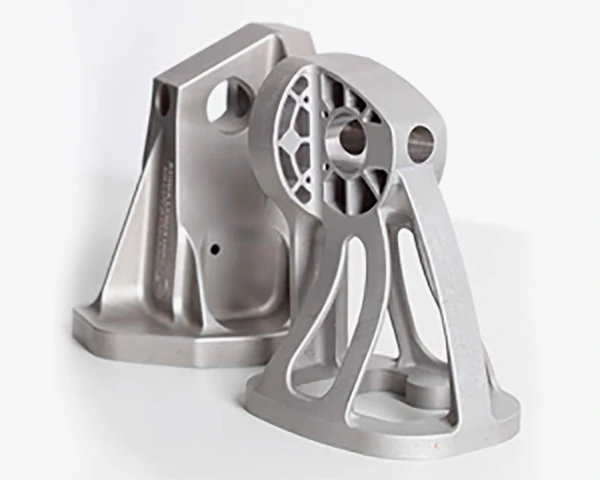
PEI

Engineering plastic, high performance applications, flame retardant.
Processus

FDM

Applications

Industrial FDM

Strengths

Larger build size compared to Desktop FDM Industrial-grade materials Tighter tolerance compared to Desktop FDM

Weaknesses

Expensive printing

3D Matériaux d'impression

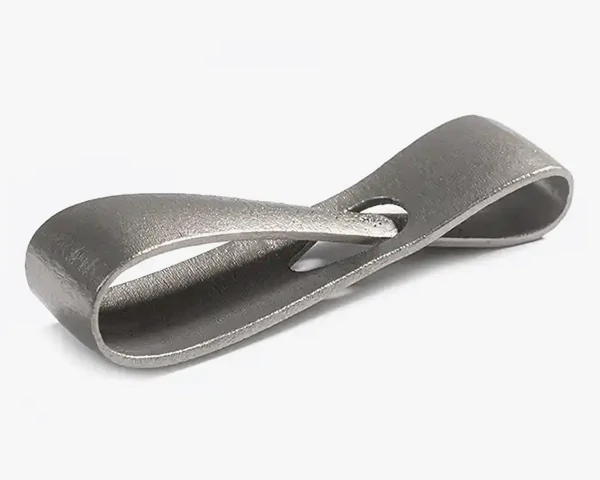
Aluminum

Aluminum (AlSi10Mg) is comparable to a 3000 series alloy that is used in casting and die casting processes. It has good strength-to-weight ratio, high temperature and corrosion resistance, and good fatigue, creep and rupture strength. Material property values below are measured after stress relief.
Processus

DMLS

Tensile Strength

50 ksi

Elongation

8%

Hardness

59 HRB

3D Matériaux d'impression

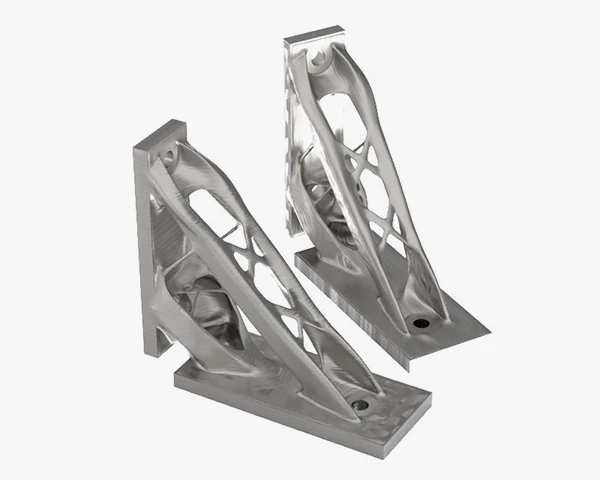
Stainless Steel 316L

Stainless steel 316L is a workhorse material used for manufacturing acid and corrosion resistant parts. Final parts built in 316L receive stress relief application. Material property values below are measured after stress relief.
Processus

DMLS

Tensile Strength

92 ksi

Elongation

58%

Hardness

94 HRB

3D Matériaux d'impression

Titanium

Titanium (Ti6Al4V) is a workhorse alloy. The mechanical properties of Ti6Al4V are comparable to wrought titanium for tensile strength, elongation, and hardness. Final parts built in Ti6Al4V receive vacuum stress relief application. Material property values below are measured after stress relief.
Processus

DMLS

Tensile Strength

144 ksi

Elongation

18%

Hardness

33 HRC

Faire défiler vers le haut

Demander un devis

Conseil: Les demandes sur les types d’armes ne sont pas acceptées!

Veuillez placer le fichier(s) pour transfert dans le même dossier et ZIP ou RAR avant de joindre. Le transfert des pièces jointes plus volumineuses peut prendre quelques minutes en fonction de votre vitesse Internet locale. :)