- Pas de quantité minimale de commande
- Qualité & Précision
- Délai d'exécution rapide
- Prototypes rapides
- Production de faible volume à la production de masse
- Livraison mondiale
Automotive Plastic Injection Molding: Precision Parts for Modern Vehicle Manufacturing
Meet your aggressive timelines and streamline your supply chain with onshore Automotive Plastic Injection Molding—the go-to solution for high-quality, durable components that power today’s cars, trucks, and electric vehicles (EVs). At Diode Machining, we specialize in Automotive Plastic Injection Molding that balances speed, precision, and cost-efficiency: whether you need under-hood components, interior trim, or EV battery housing parts, our onshore production model eliminates cross-border delays while maintaining strict quality standards. Serving Clients Worldwide From China. Dedicated Project Manager.
Serving Clients Worldwide From China. Dedicated Project Manager.
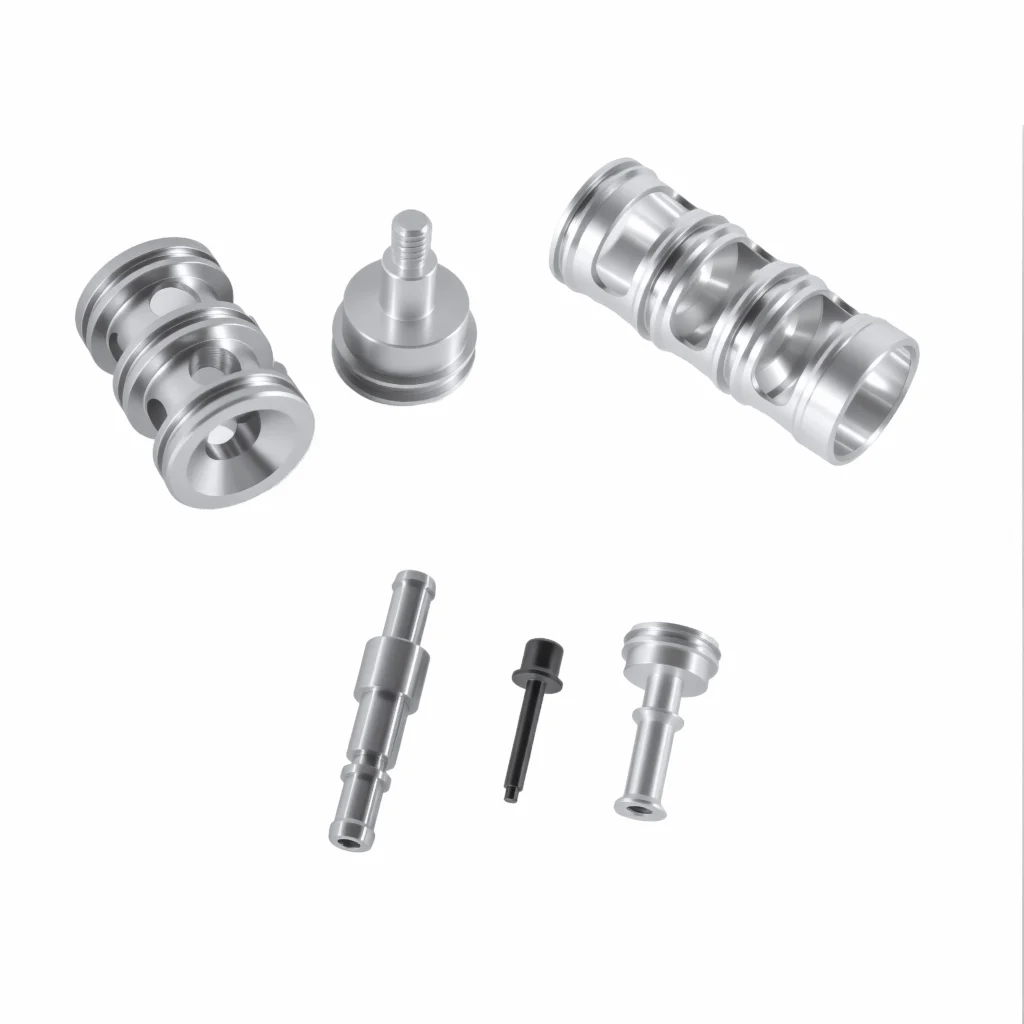
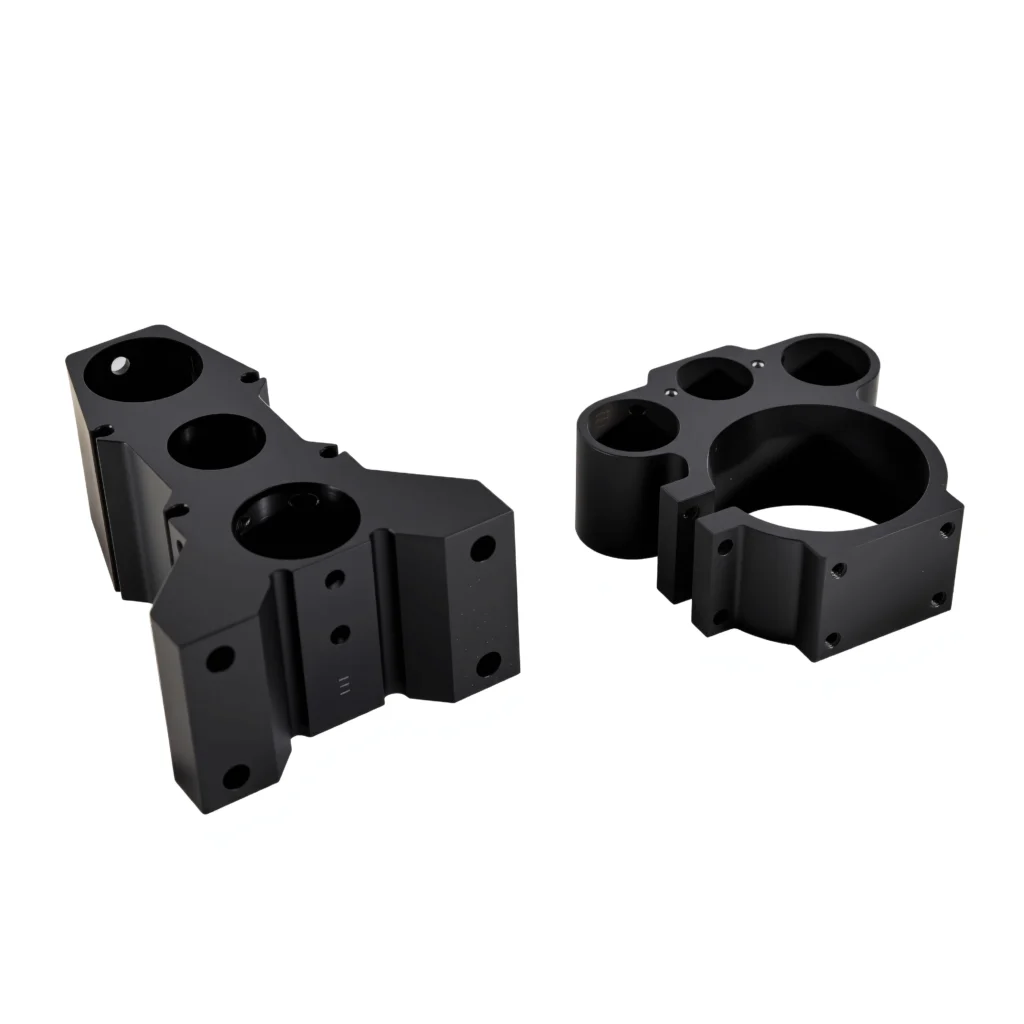
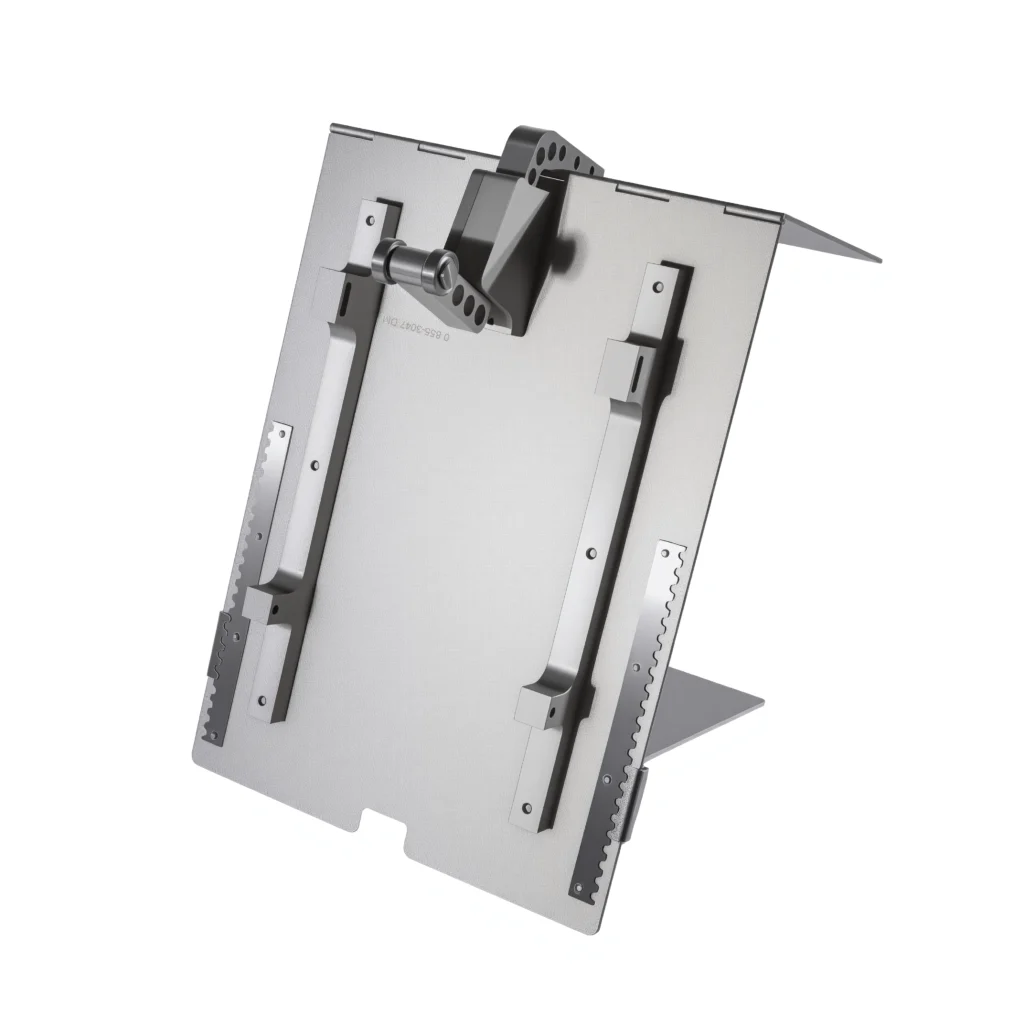
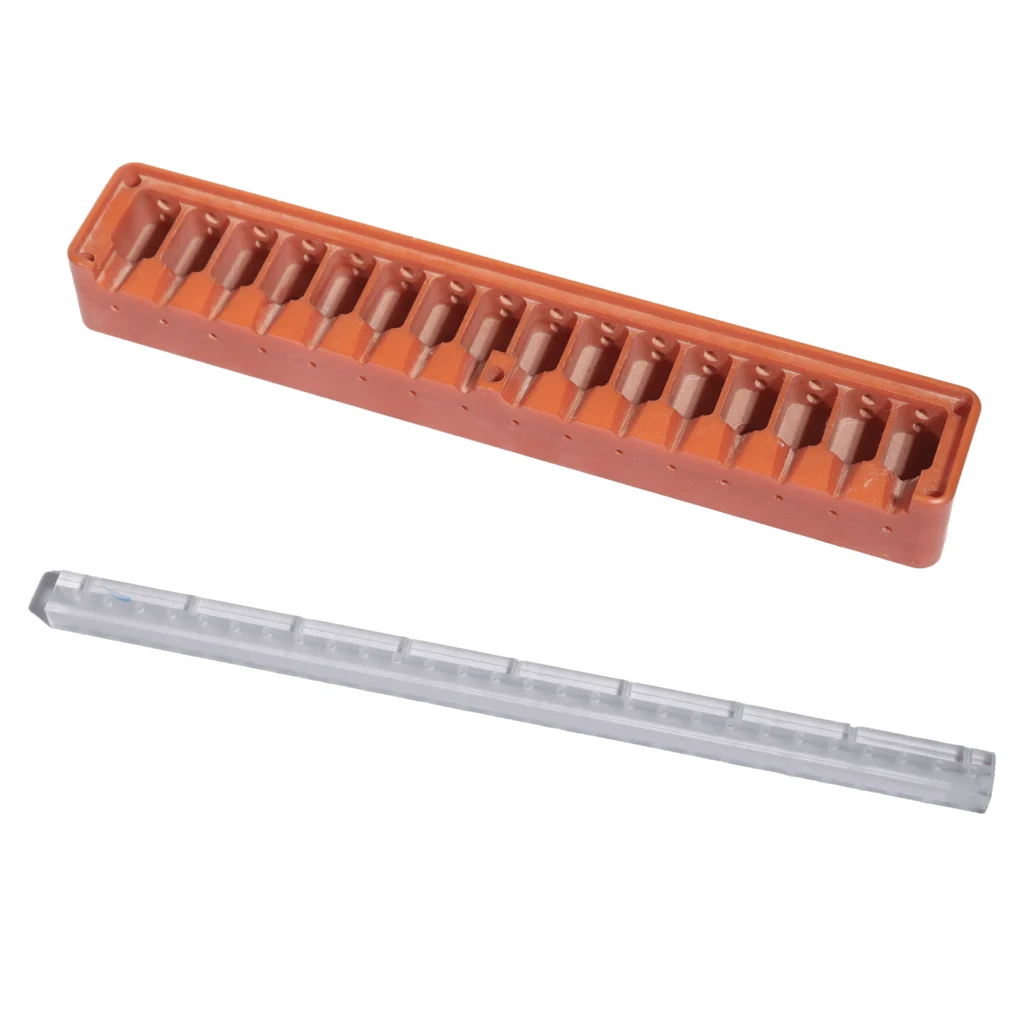
Position: Maison / À propos / À propos de nous
Automotive
As the automotive industry accelerates toward electric (EV) and autonomous vehicles, Automotive Plastic Injection Molding has become a cornerstone of modern vehicle innovation. From lightweight interior components that boost fuel efficiency to heat-resistant under-hood parts for EV batteries, Automotive Plastic Injection Molding enables suppliers to prototype complex new designs et scale production faster than traditional manufacturing methods. At Diode Machining, notre Automotive Plastic Injection Molding capabilities are tailored to this evolution: we deliver parts that meet the strict durability, safety, and performance standards of today’s automotive landscape.
How we help automotive companies succeed:
- Meet aggressive timelines with lead times as fast as 1 day
- You need bridge tooling to accelerate time to revenue
- Get prototypes in production materials
- Simplify your supply chain with a reliable, domestic injection molding partner
- Dedicated applications engineers to ensure your project is a success

Injection Molding Materials for Automotive Parts
We offer hundreds of thermoplastic and thermoset resins to meet the broad needs of automotive applications that range from under-the-hood to cosmetic parts.
Acetal and Delrin
Acetal and Delrin: Acetal and Delrin offer high tensile strength, and excellent overall durability since its highly wear resistant and has a low coefficient of friction. It’s also resistant to chemicals and solvents—making it ideal for Automotive Plastic Injection Molding parts like gear shifters, which need long-term smooth operation.
Liquid Silicone Rubber
Liquid Silicone Rubber excels in Automotive Plastic Injection Molding for seals/gaskets: it’s flexible, heat-resistant, and seals tightly against automotive fluids. Stainless Steel SS 17-4 PH suits aerospace, but LSR fits car components.
Filled and Unfilled Nylon
Filled and Unfilled Nylon: Nylon is a go-to material choice within the automotive industry due its well rounded mechanical properties that can be enhanced with fillers like glass and mineral. For Automotive Plastic Injection Molding, filled nylon works for engine covers—balancing strength and light weight.

Automotive Injection Molding Applications
Injection molding is frequently used within the automotive industry to manufacture quality plastic parts at production volumes. Common applications include:


Automotive Plastic Injection Molding
