Die Casting Services In China
Aluminum, Magnesium, Zinc & Steel One-off prototyping or 1000+ production parts
Servire clienti in tutto il mondo dalla Cina. Responsabile di progetto dedicato.
- Nessun MOQ
- Qualità & Precisione
- Tempi di consegna rapidi
- Prototipi rapidi
- Da bassi volumi a produzione di massa
- Consegna globale
Posizione: Casa / Di / Chi siamo
Our Die Casting Services
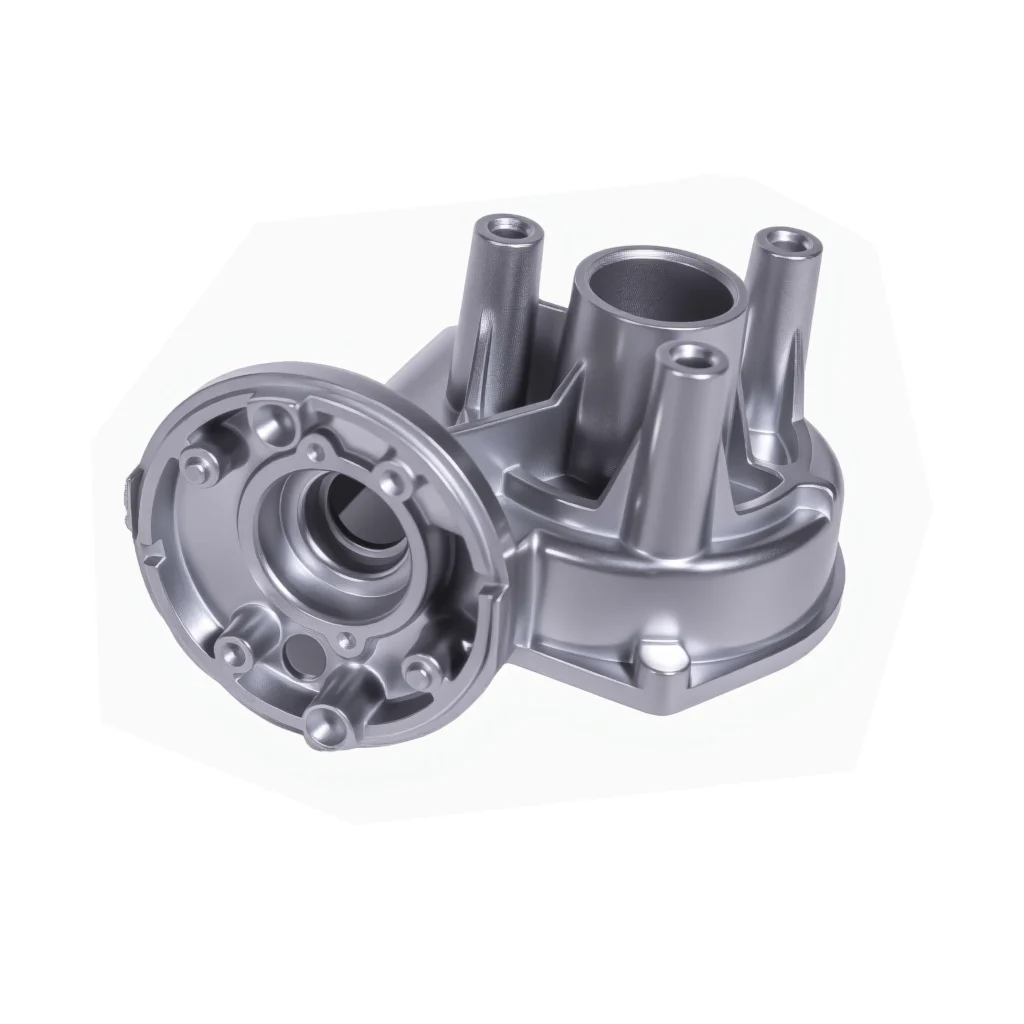
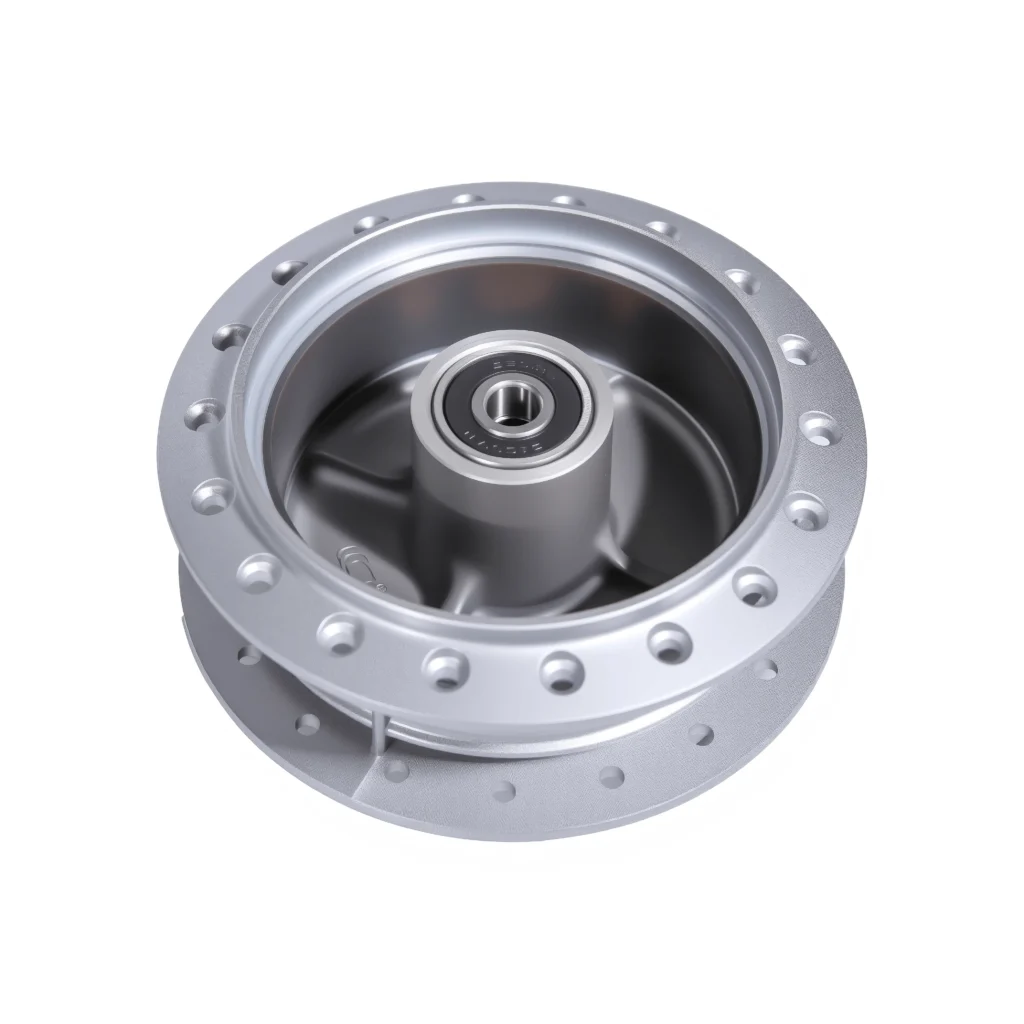
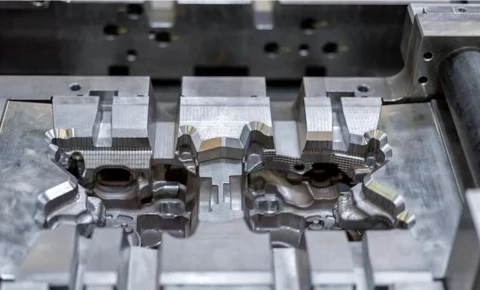
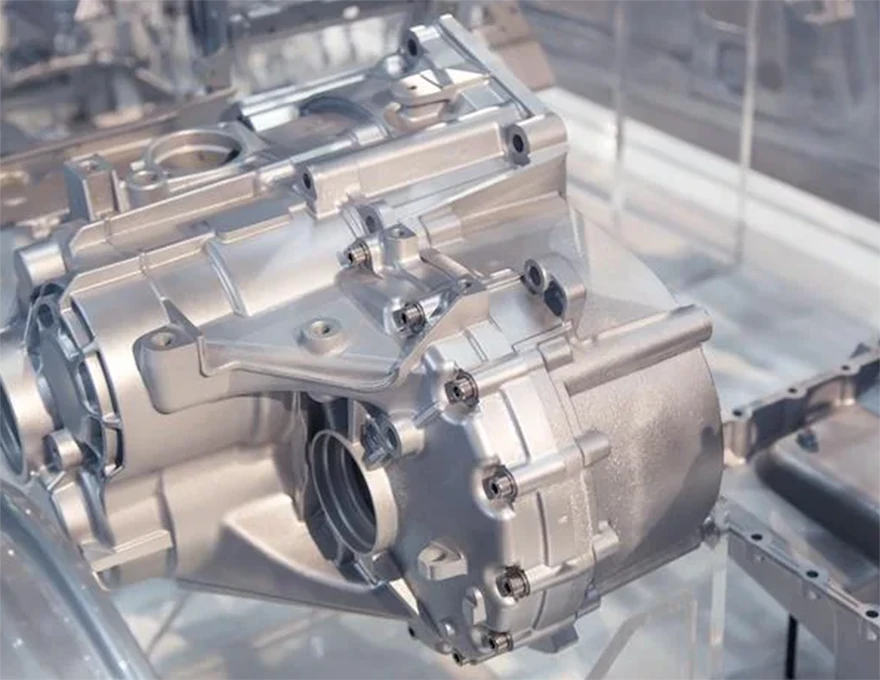
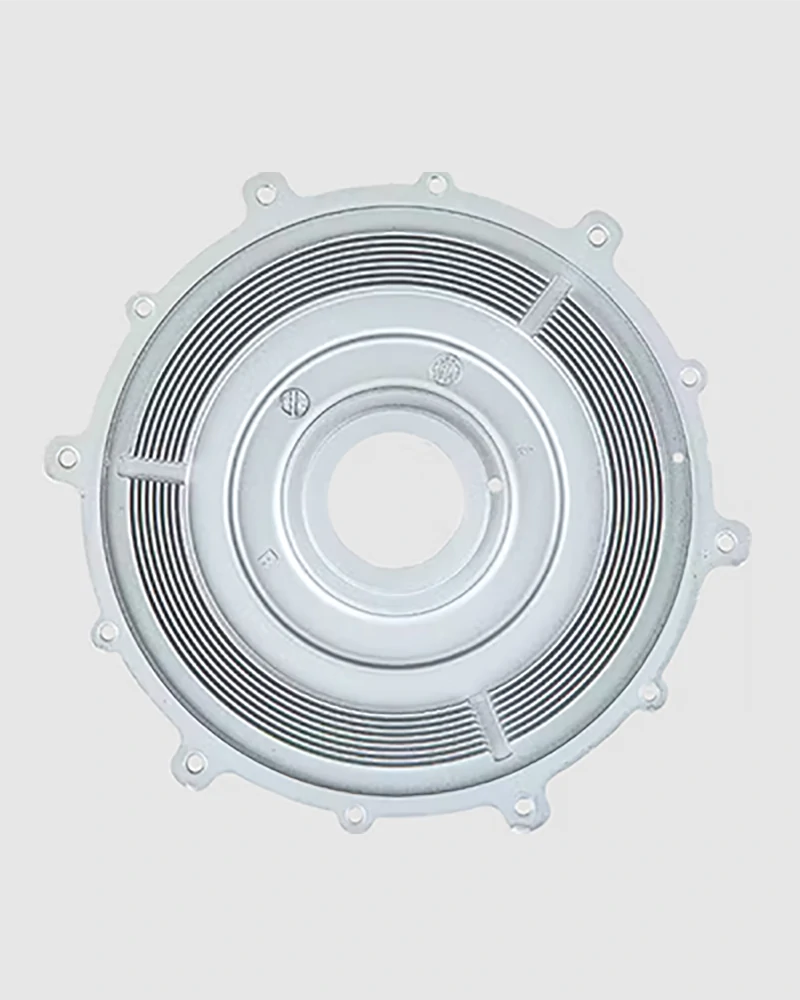
Die casting services are a cornerstone of modern manufacturing, and at Diode Prototypes, we specialize in delivering industry-leading die casting services tailored to your exact needs. A process similar to injection molding, pressure die casting is a metal casting process in which molten metal is forced into amold cavity to create metal parts.
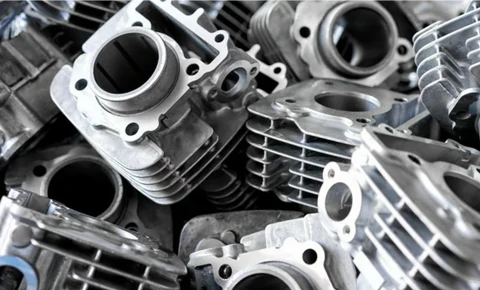
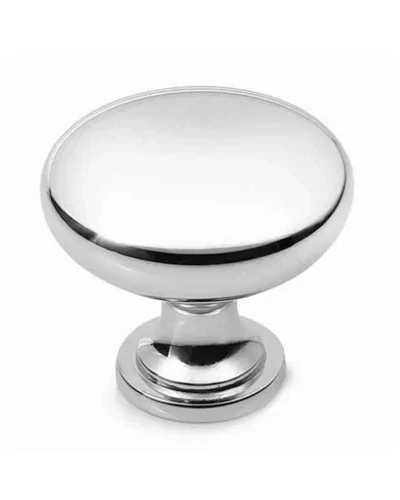
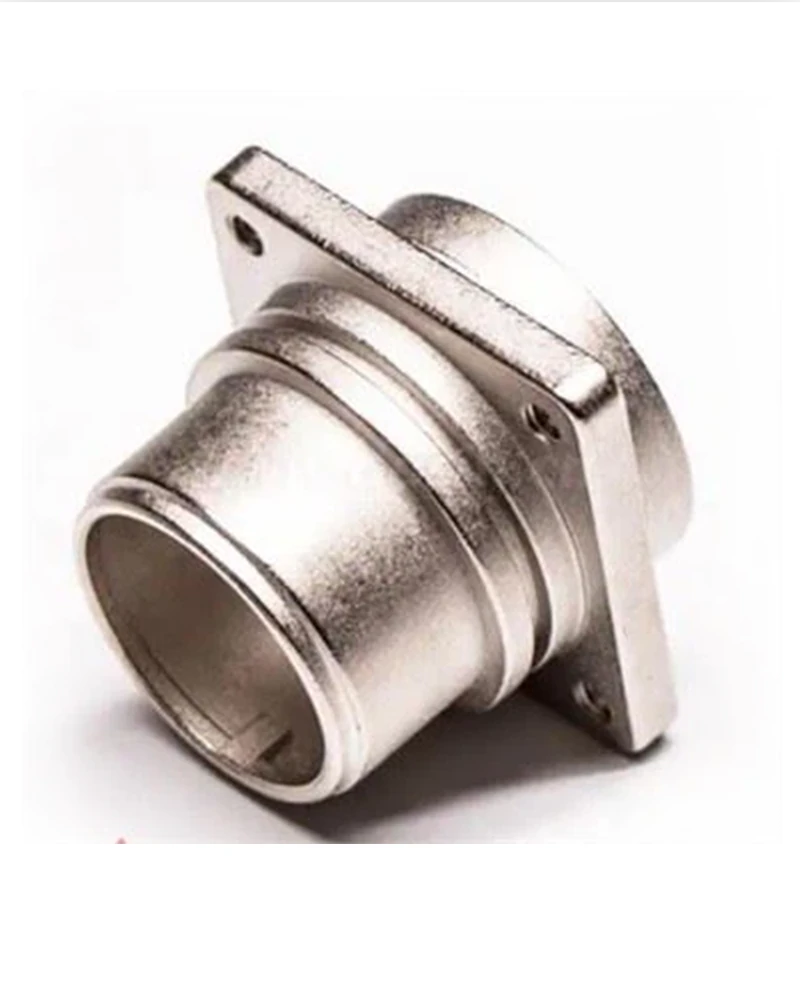
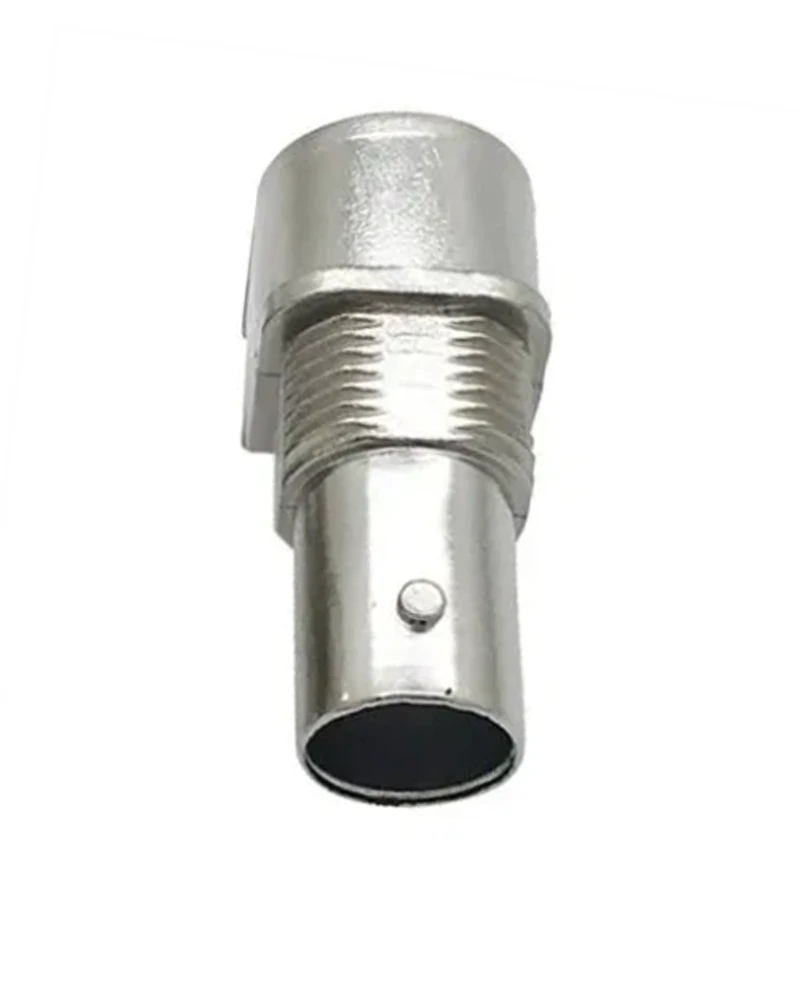
At Diode Prototypes, our die casting services use certified machines and pressure casting dies to form your designs from molten metal — typically zinc, copper, aluminum, magnesium, lead, pewter or other tin-based alloys. Our pressure die casting process is effective and very reliable, and can result in significant cost savings. Whether you require small-batch production or high-volume runs, our die casting services offer the flexibility to accommodate any project needs you may have – from small batches of 50 to as many as 1,000 pieces.
Hot-Chamber Die Casting
Cold-Chamber Die Casting
Advantages and Drawbacks of Die Casting
Advantages
Fast cycle times.
Is suitable for producing complex parts.
Produces parts with high dimensional accuracy.
Produces parts with a smooth surface finish, which lessens the need for post-processing. Offers repeatable, accurate results with efficient production.
Drawbacks
The cost of equipment and dies can be very expensive.
Is typically unsuitable for ferrous metals or metals with a high melting point.
Designing and tooling new dies is a complex process that can take long before a production run starts.
Materiali per la lavorazione CNC
Aluminum Alloys
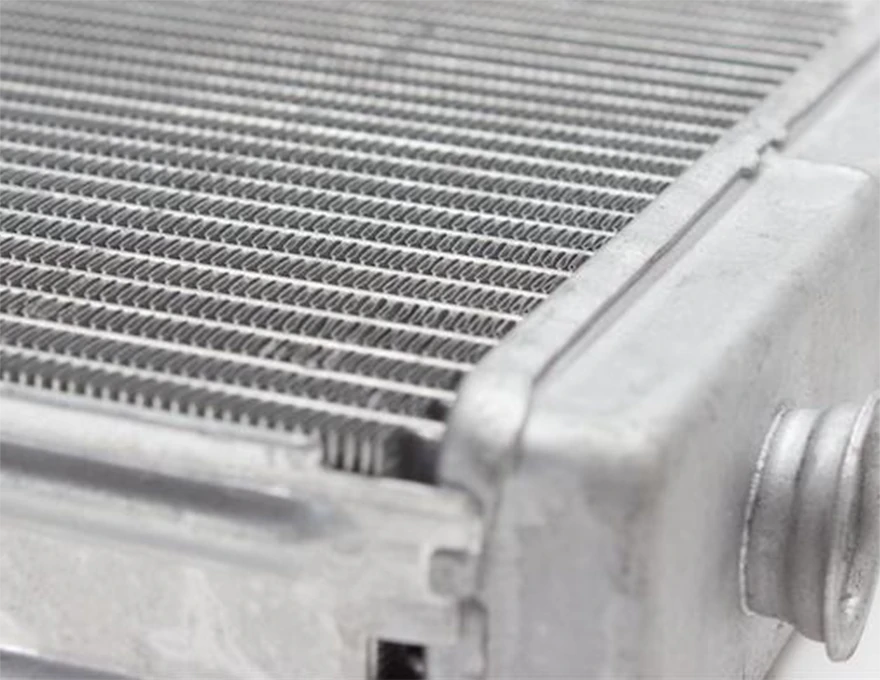
Aluminum alloys are widely employed in die casting due to their unique properties. Notable alloys such as 380, 360, 390, E 413 exhibit high operating temperatures, outstanding corrosion resistance, low density, excellent strength, and good thermal conductivity. Additionally, aluminum alloys offer good stiffness, a favorable strength-to-weight ratio, EMI and RFI shielding properties, and recyclability. They can also withstand high temperatures and retain dimensional stability with thin walls.
Zinc Alloys
Zinc alloys, including Zamak #2, #3, #5, #7, ZA8, and ZA27, offer a balance of strength, toughness, firmness, and cost-effectiveness. These alloys are known for their improved castability, shortened cycle time, and extended die life. The mechanical qualities of zinc alloys rival and exceed other common die-casting materials such as aluminum, magnesium, and bronze. Their exceptional casting fluidity contributes to thin-wall castability, resulting in smaller, lighter, cost-effective components.
Magnesium Alloys
Magnesium, particularly the AZ91D alloy, stands out for its toughness, durabilità, lightweight nature, and good castability. With a weight 75% lighter than steel and 33% lighter than aluminum without compromising strength, magnesium alloys are preferred for applications requiring complex casting with tight tolerances. The material’s excellent corrosion resistance further enhances its appeal.
Surface Finish Options for Die Casting
Le finiture superficiali possono avere uno scopo funzionale o estetico. Le finiture superficiali che servono entrambi gli scopi sono considerate finiture cosmetiche, e sono utilizzati per parti cosmetiche. La produzione di parti cosmetiche richiede misure aggiuntive per ridurre al minimo i difetti come segni di caduta e graffi dovuti agli strumenti.
Tipi
Dettagli
Cappotto trasparente
Finitura cosmetica trasparente che può essere applicata su traslucido/trasparente simile all'ABS (WaterShed XC 11122) e traslucido/trasparente simile al PC (Accuratamente 60) materiali.
Pittura
Dopo aver levigato la parte con levigatura e lucidatura, le parti possono essere verniciate con vernice di tipo automobilistico. Fornisci un colore pantone con la tua richiesta di preventivo. Offriamo anche la verniciatura soft-touch.
Placcatura
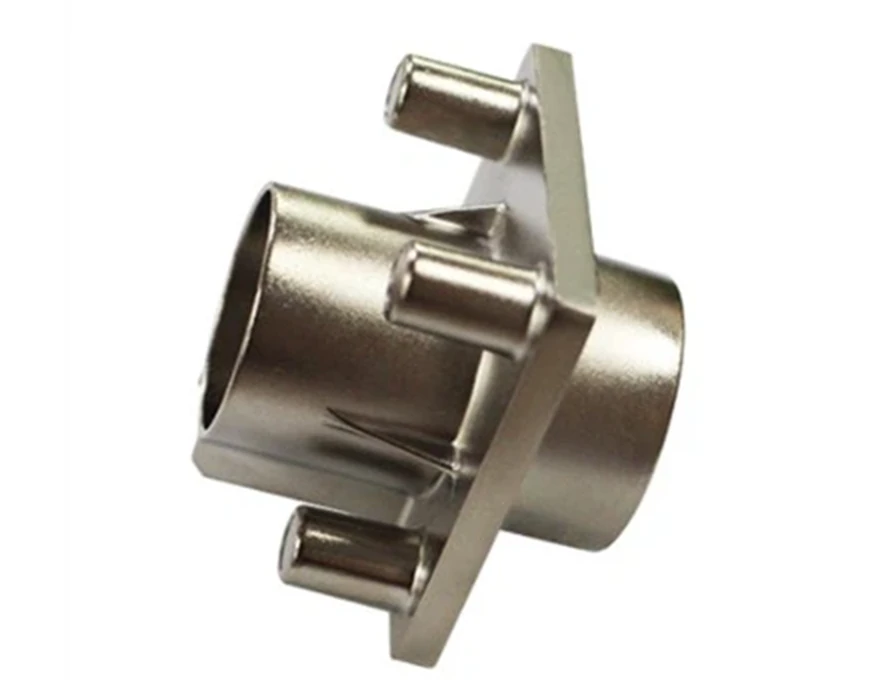
La nichelatura chimica può essere utilizzata per ottenere parti simili all'alluminio fuso o al magnesio.
Tintura
La tintura è un altro metodo per aggiungere colore alle stampe 3D. Questa è un'opzione più veloce con una selezione di colori limitata, quindi è una scelta più conveniente rispetto alla verniciatura.
Decalcomania
La decalcomania può essere utilizzata per aggiungere un logo o altra grafica per migliorare l'estetica o la funzionalità.
Lucidatura
Possiamo lucidare le parti con una finitura a specchio. Se questo è un requisito, ti chiediamo di fornire un disegno o un'immagine che indichi le tue aspettative di finitura.
Trattamento termico
Indurisci e rafforza le stampe 3D in metallo con molteplici opzioni di trattamento termico: Trattamento termico NADCAP, pressatura isostatica a caldo (ANCA), ricottura di soluzione, e invecchiamento.
Come cooperare con Diode China
We enable your project to obtain metal and plastic parts with excellent mechanical properties at very low cost.
Richiedi un preventivo
Please contact 123@123.com to upload your CAD files.
Conferma le specifiche
Gli ingegneri e i progettisti di Diode possono fornire soluzioni di progettazione per la produzione (DFM) e preventivi istantanei.
Inizia la produzione
Dopo aver confermato il tuo progetto di produzione, eseguiamo lavorazioni di precisione nel rispetto degli standard produttivi.
Le parti vengono spedite
I controlli di qualità vengono eseguiti sulle parti completate e quindi le parti ti vengono consegnate in modo sicuro.
Richiedi un preventivo
Mancia: Non si accettano richieste sui tipi di armi!
Testimonianze / Clienti soddisfatti
Partecipa 1,000 aziende che si affidano a Diode.
Perché non ascoltare ciò che gli altri hanno da dire su Diode? Queste sono intuizioni reali tratte dall'esperienza.