Se ti piace la lavorazione dei metalli, you’ve probably heard of funzione di lavorazione dei metalli and metal working equipment, but do you really get what they mean and how they connect? Today, we’re breaking this down in simple terms—no fancy jargon, just straightforward explanations you can actually use.
First Things First: What Even Is Metal Work Function?
Let’s start with the basics. Metal work function isn’t some complicated concept only scientists understand. Put simply, it’s the minimum energy you need to get an electron out of the surface of a metal and into empty space. Think of it like a little “energy wall” around the metal’s surface—electrons are trapped inside, and you need just enough power to climb over that wall.
It’s measured in electron volts (eV), and different metals have different “wall heights” (work functions). For example, sodium has a low one, so it’s easy to get electrons out, while gold has a higher one that takes more energy. And here’s a quick note: it’s all about the metal’s surface, not the inside—even small contaminants on the surface can change the work function a lot.
Why Does Metal Work Function Matter (Especially for Metal Working Equipment)?
You might be wondering, “So what? Why do I need to care about this?” Well, if you use metal working equipment regularly, the metal work function directly affects how your tools perform. Let’s keep it simple:
For example, if you’re using equipment that relies on electrons (like some cutting or coating tools), the work function determines how easily the metal emits electrons. A lower work function means the equipment can operate more efficiently, since it doesn’t need as much energy to get those electrons moving.
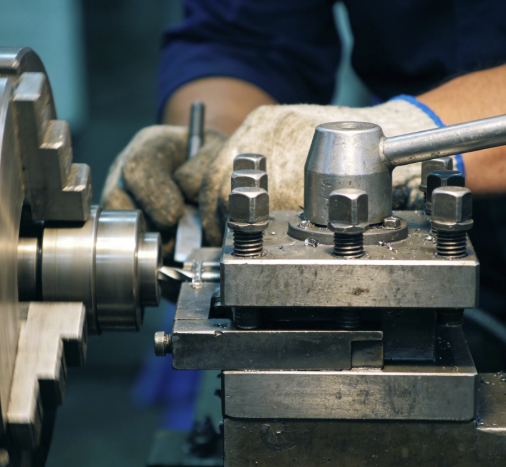
Even basic metal working equipment, like lathes or milling machines, interacts with metal surfaces—and understanding the work function helps you choose the right metal for the job, making your work smoother and your end product better quality.
Common Testing Methods for Metal Work Function (No Lab Degree Needed)
You don’t need a fancy lab to test metal work function—there are a few simple methods that are commonly used, even in small workshops. Let’s break down the two most practical ones:
1. Photoelectric Effect Test
This is one of the most straightforward methods. Here’s how it works: shine light (photons) on the metal surface—if the light has enough energy, electrons will pop out of the metal. You measure the maximum energy of those emitted electrons, and use a simple equation (thanks to Einstein!) to calculate the work function.
The best part? You don’t need super complex tools—basic light sources and a device to measure electron energy are enough for most practical purposes. It’s widely used because it’s quick and gives accurate results for most metals.
2. Kelvin Probe Method
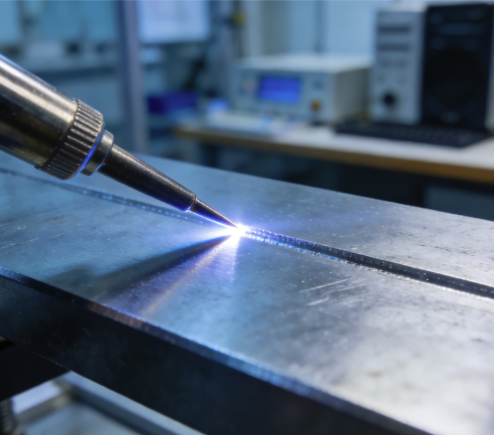
This one is great if you want to test the metal’s surface without damaging it. It uses a small probe (usually made of gold) to measure the “contact potential difference” between the probe and the metal surface. You can then calibrate that measurement to get the absolute metal work function.
It’s perfect for checking how surface conditions (like dirt or oxidation) affect the work function—something that’s super useful if you’re troubleshooting metal working equipment performance issues.
Final Thoughts: Keep It Simple
At the end of the day, metal work function is just about how much energy electrons need to escape a metal’s surface. It’s not rocket science, but it does matter if you work with metal working equipment and want to get the best results.
You don’t need to memorize every detail—just remember: different metals have different work functions, surface conditions matter, and there are simple tests to check it. That’s all you need to know to apply this to your daily work!