If you’re new to the machining world, you’ve probably heard the terms CNC Metal and CNC Metal Lathe thrown around a lot—but let’s be real, figuring out what sets them apart can feel like trying to decode a foreign language. You might be asking yourself: Do I need one or the other? Are they interchangeable? And most importantly, which one fits my budget and project needs? Today, we’re breaking this down in plain English, no fancy jargon or confusing tech talk—just the stuff you actually need to know.
First Things First: Let’s Stop Confusing the Two
Before we dive into differences, let’s get one thing straight: these two aren’t the same, but they’re closely related. Think of it like this—one is a broad category, and the other is a specific tool within that category. Let’s break it down simply.
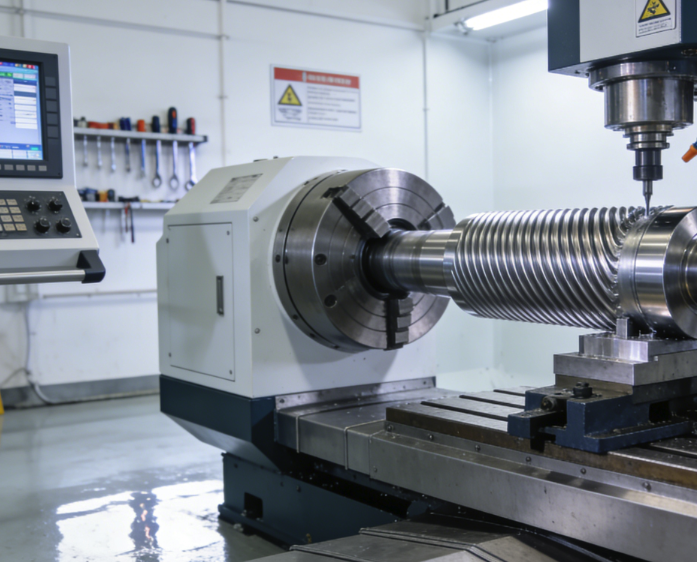
CNC Metal is the umbrella term for any computer-controlled machine that works with metal materials. It’s like saying “vehicles” when you talk about cars, trucks, and motorcycles—CNC Metal covers a whole range of machines that cut, shape, and finish metal parts using pre-programmed computer instructions. These machines are used in everything from small workshops to big manufacturing plants, and they’re all about precision and efficiency—no more relying on manual labor to get perfect cuts every time.
Now, a CNC Metal Lathe is a specific type of CNC Metal machine. It’s the one that’s designed specifically for creating cylindrical or round parts—think things like bolts, shafts, or even the legs of a metal table. What makes it unique is how it works: the metal workpiece spins around, and a stationary cutting tool shapes it as it turns. It’s kind of like using a pottery wheel, but for metal—you spin the material and carve it into the shape you want.
Key Differences: What Makes Them Unique?
Now that we know the basics, let’s get into the nitty-gritty of how these two differ. It all comes down to what they’re built to do, how they work, and the parts they produce.
1. Function & Purpose
The biggest difference is their main job. CNC Metal machines (the umbrella category) can do a ton of things—they can mill flat surfaces, drill holes, cut complex shapes, and even engrave metal. They’re versatile, meaning you can use them for a wide range of projects, from simple brackets to intricate aerospace parts. If you need to work on parts that aren’t round, a general CNC Metal machine is your go-to.
On the flip side, a CNC Metal Lathe is all about specialization. It’s only meant for turning—creating round or cylindrical parts. You can’t use it to mill a flat surface or drill a complex pattern (at least not without extra attachments). But what it lacks in versatility, it makes up for in speed and precision for round parts. If you’re making hundreds of identical bolts or shafts, a CNC Metal Lathe will get the job done faster and more consistently than a general CNC Metal machine.
2. How They Operate
Another big difference is the movement. With a general CNC Metal machine (like a CNC mill), the cutting tool moves around the stationary metal workpiece. It’s like a sculptor chiseling a block of stone— the stone stays still, and the sculptor moves their tool to shape it. This allows for complex shapes and angles, since the tool can move in multiple directions.
A CNC Metal Lathe is the opposite: the workpiece spins, and the cutting tool stays stationary (or moves in a straight line). The spinning motion lets the tool create smooth, even cylindrical shapes—something that’s hard to do with a general CNC Metal machine. The tool glides along the spinning metal, shaving off small bits until you get the exact diameter and shape you need. It’s a simpler motion, but it’s perfect for the specific job it’s designed to do.
3. The Parts They Produce
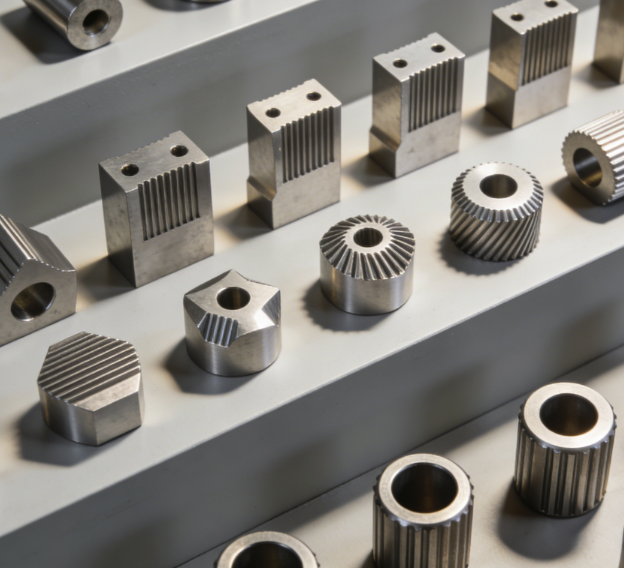
Let’s get practical—what do you actually make with each? A general CNC Metal machine is great for parts with complex geometries: think engine blocks, metal brackets, gears with irregular shapes, or even custom signs. If the part has flat surfaces, holes, or weird angles, this is the machine for you.
A CNC Metal Lathe, as we’ve said, is for round parts. This includes things like shafts for motors, bolts, nuts, bushings, and even decorative metal turned pieces (like the legs of a metal chair). If the part is symmetrical around a central axis, the lathe is the most efficient tool to use. You could technically make a round part with a general CNC Metal machine, but it would take longer and be less precise.
Selection Tips: Which One Do You Actually Need?
Now that you know the differences, let’s talk about how to choose between them. The worst thing you can do is buy a machine that’s too big, too small, or not right for your projects—trust me, I’ve seen people waste money on fancy machines they never use because they didn’t think through their needs first.
Start with Your Projects
Ask yourself: What am I making most often? If you’re mostly making round, cylindrical parts (like bolts, shafts, or pipes), a CNC Metal Lathe is your best bet. It’s faster, more precise, and will save you time in the long run. If you’re making a mix of shapes—some round, some flat, some complex—then a general CNC Metal machine (like a CNC mill) is better. It’s versatile enough to handle all your projects without needing multiple machines.
Consider Your Budget (But Don’t Skimp on Quality)
We’ll get into cost details later, but here’s a quick tip: CNC Metal Lathes are usually cheaper than general CNC Metal machines because they’re specialized. If you’re on a tight budget and only need to make round parts, go with the lathe. If you need versatility, you’ll have to spend a bit more—but it’s worth it if you’re going to use all the features.
Think About Your Space & Skill Level
General CNC Metal machines are often bigger than CNC Metal Lathes, so make sure you have enough space in your workshop. Also, if you’re new to CNC machining, a lathe is easier to learn—its operation is simpler, and the learning curve is less steep. General CNC Metal machines have more features, which means more to learn, but they’re still manageable with a little practice.
Cost Analysis: What to Expect to Pay
Let’s talk money—because let’s be honest, that’s a big factor for most people. The cost of both CNC Metal and CNC Metal Lathe machines varies a lot depending on size, brand, precision, and features. But we’ll break down the average costs so you can get a better idea of what to budget for.
CNC Metal Lathe Costs
Since they’re specialized, CNC Metal Lathes are generally more affordable. For small hobbyist or home workshop models, you can expect to pay anywhere from $3,000 ถึง $15,000. These are smaller machines, good for making small parts or prototypes. For mid-sized machines (good for small businesses), the cost jumps to $15,000 ถึง $50,000. These have more power, better precision, and can handle larger workpieces.
Industrial-grade CNC Metal Lathes (used in big manufacturing plants) can cost $50,000 ถึง $200,000 or more. These are heavy-duty, high-precision machines that can run 24/7 and handle large-scale production. They often come with extra features like automatic feeding systems to save time.
General CNC Metal Machine Costs
General CNC Metal machines (like CNC mills) are more expensive because of their versatility. Hobbyist models start at around $5,000 to $20,000—more than a hobbyist lathe, but still manageable for home use. Mid-sized machines for small businesses cost $20,000 ถึง $80,000. These have more axes (which means more complex shapes), better precision, and more power.
Industrial-grade general CNC Metal machines can cost $80,000 ถึง $500,000 or more. These are top-of-the-line machines with multiple axes, high-speed cutting, and advanced software integration. They’re used for complex parts in industries like aerospace, automotive, and medical device manufacturing.
Hidden Costs to Watch For
Don’t forget about hidden costs! Both machines require maintenance—lubrication, tool replacement, and software updates. You’ll also need to buy cutting tools, which can add up over time. For industrial machines, you might need to hire a trained operator, which is an extra expense. Make sure to factor these into your budget so you don’t get caught off guard.
Final Thoughts: It’s All About Your Needs
At the end of the day, there’s no “better” option between CNC Metal and CNC Metal Lathe—they’re just designed for different jobs. If you need versatility and work on a variety of part shapes, go with a general CNC Metal machine. If you specialize in round, cylindrical parts and want speed and precision, a CNC Metal Lathe is the way to go.
The key is to be honest about your projects, your budget, and your skill level. Don’t buy a machine that’s more than you need—you’ll end up wasting money. But also don’t skimp on quality if you’re using it for business— a reliable machine will save you time and headaches in the long run.
If you’re still on the fence, take some time to test out both machines (if you can) or talk to other machinists in your industry. They’ll give you real-world advice based on their experience. And remember—whether you go with a CNC Metal machine or a CNC Metal Lathe, you’re investing in a tool that will make your work easier, more precise, and more efficient.