 Skip to content
Robotic Automation and AI: 3D Printing for Robotics to Unlock Faster, Smarter Innovation
Streamline and accelerate development of robotics innovation with 3D printing for robotics, rapid prototyping, and on-demand production. We deliver high-precision, custom robotic components—from complex end-effectors to lightweight sensor housings—using advanced 3D printing and CNC machining capabilities.
Serving Clients Worldwide From China. Dedicated Project Manager.
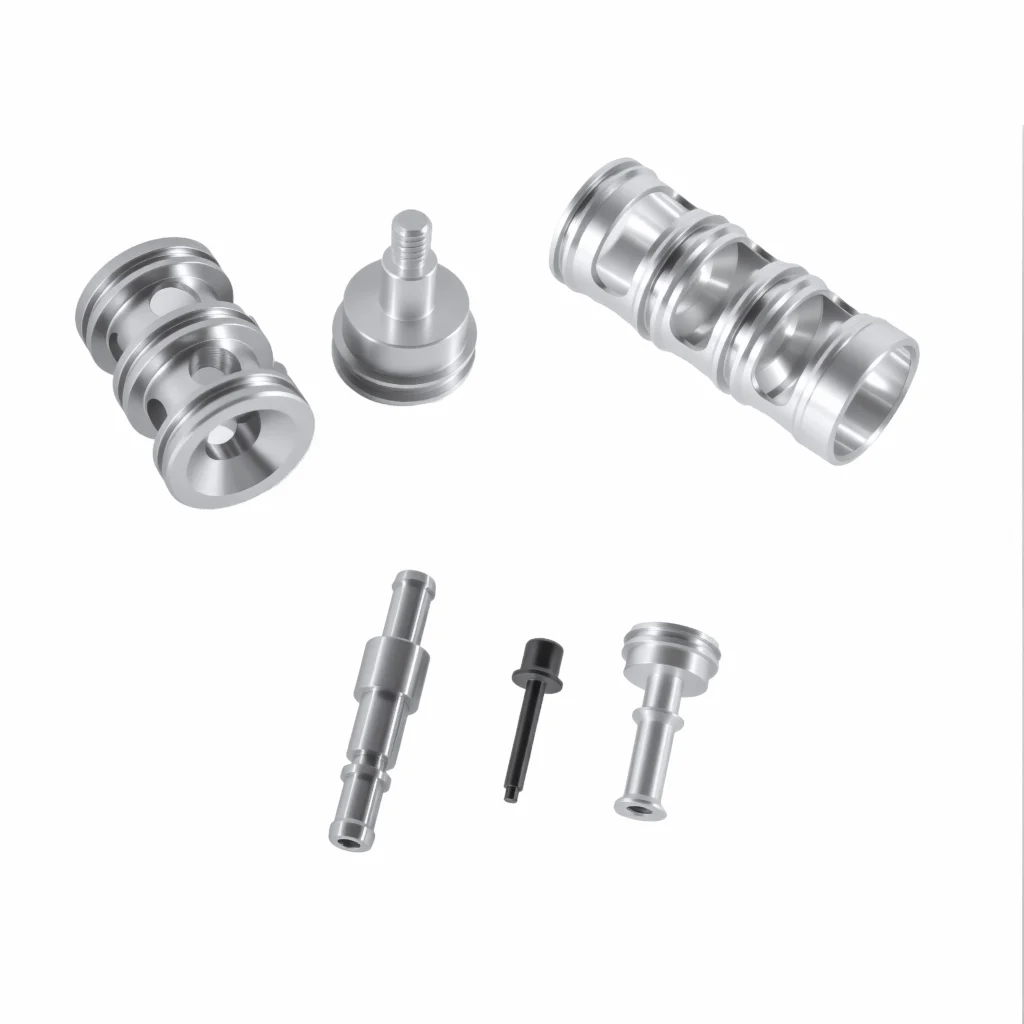
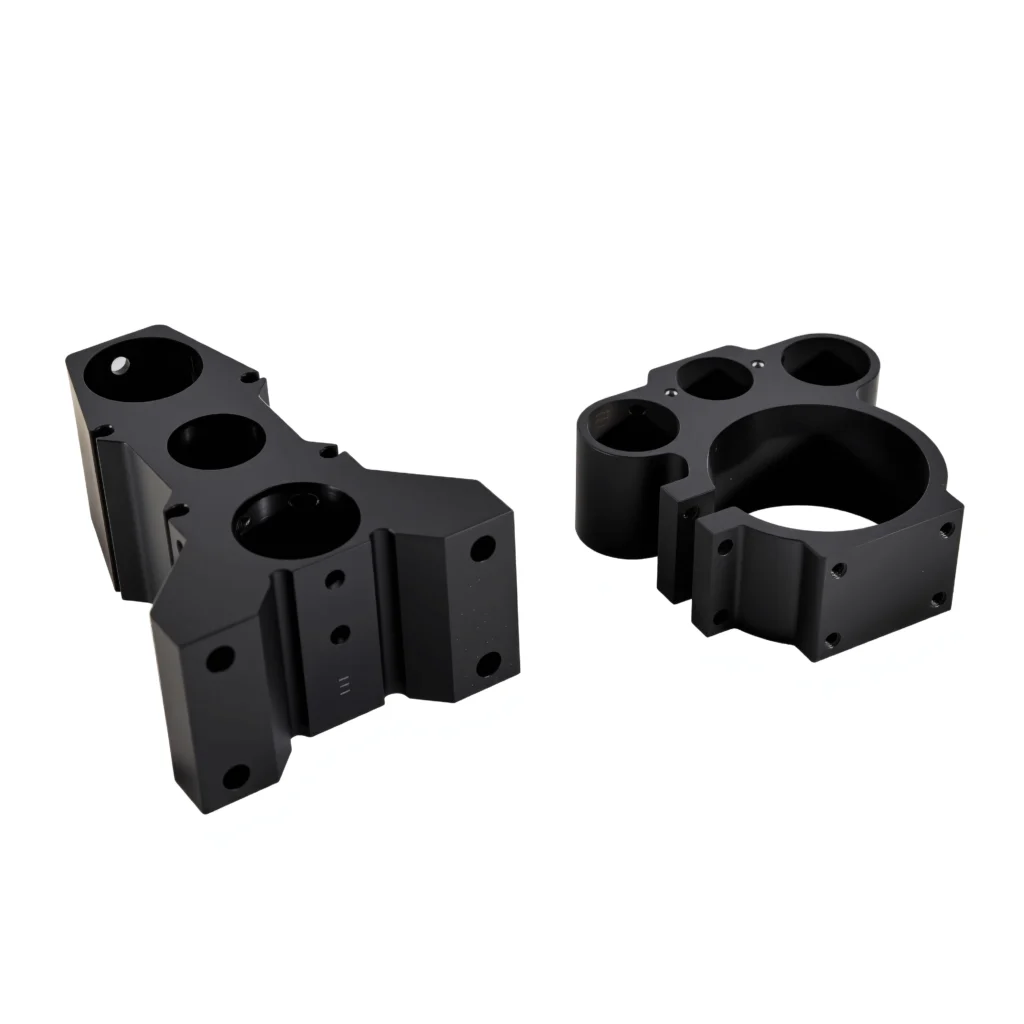
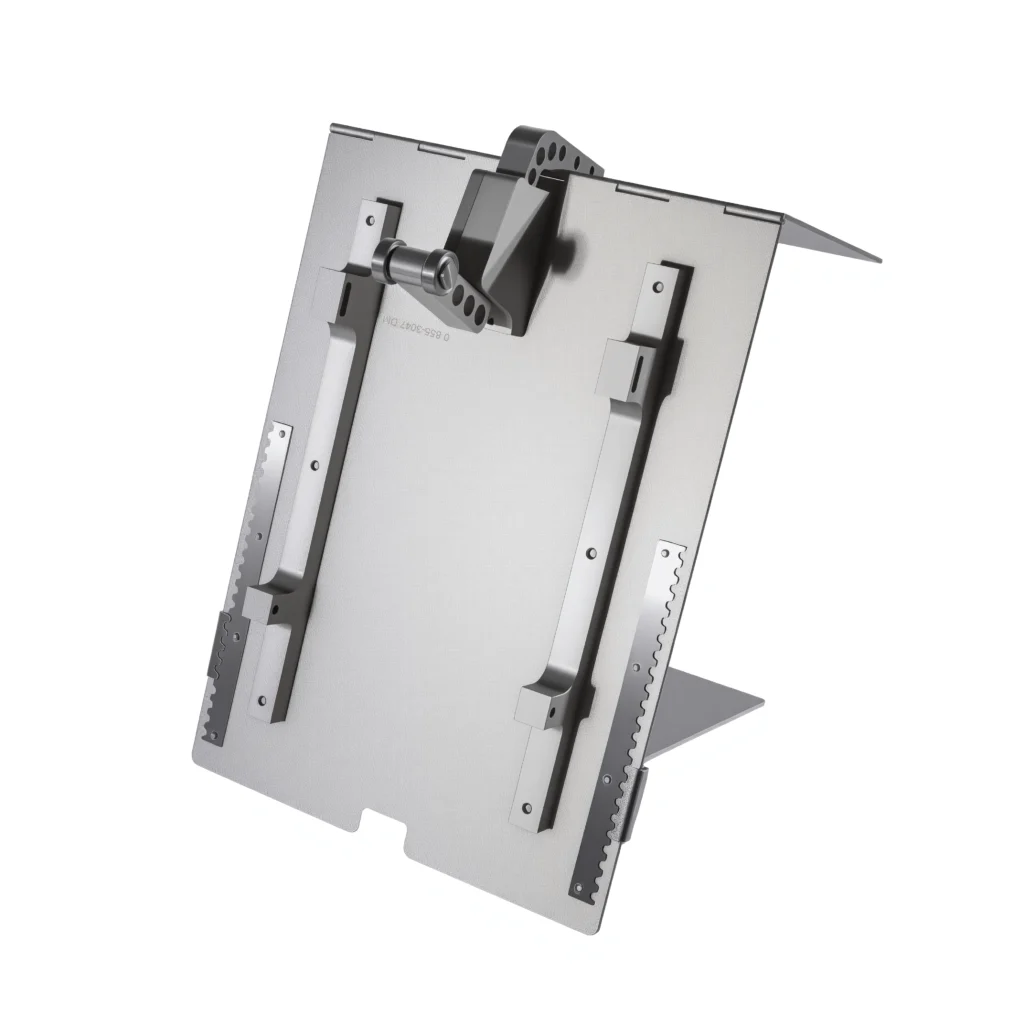
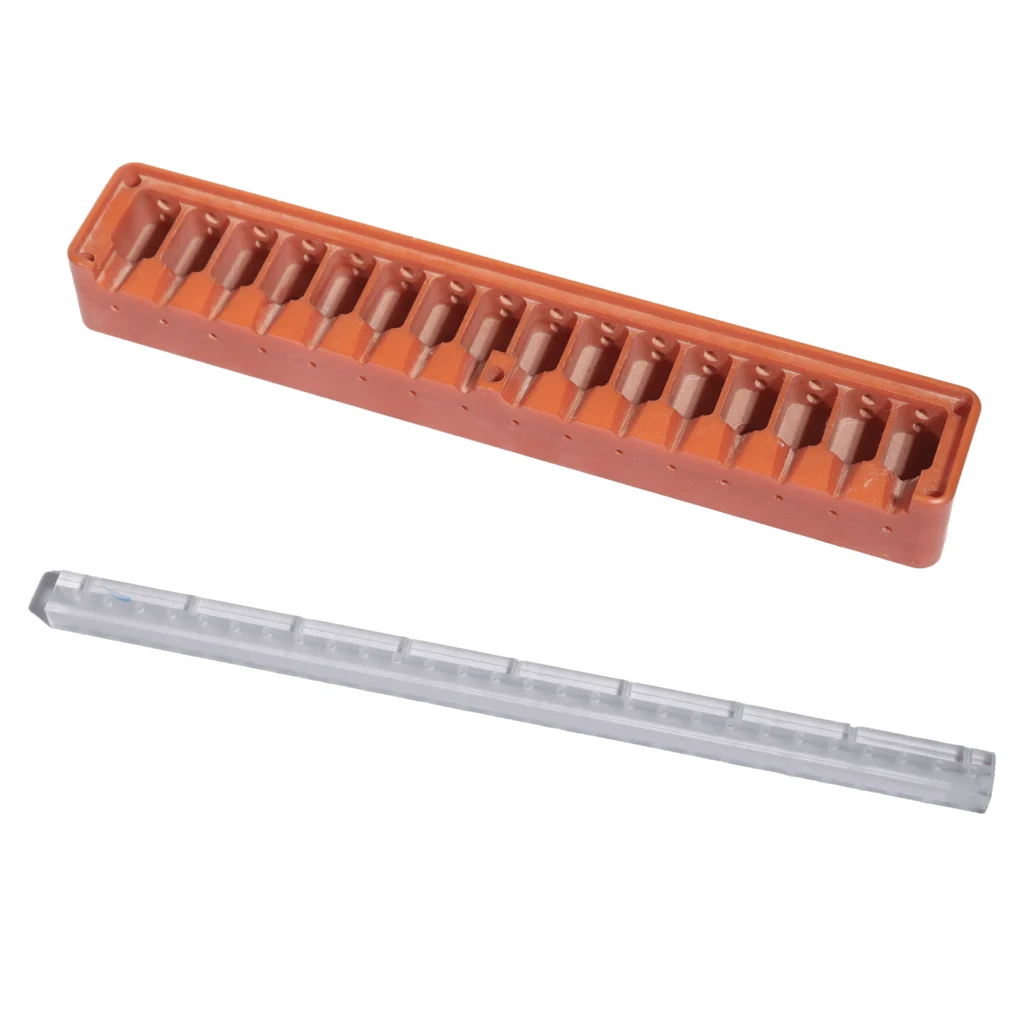
- No MOQ
- Quality & Precision
- Fast Turnaround
- Rapid Prototypes
- Low-Volume To Mass Production
- Global Delivery
Position: Home / About / About Us
3D Printing in the Robotics Industry
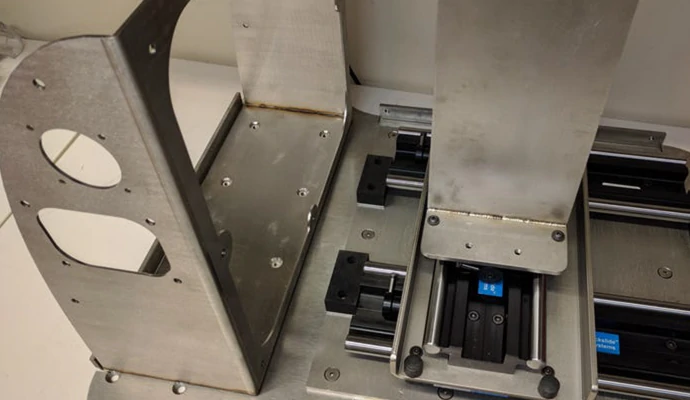
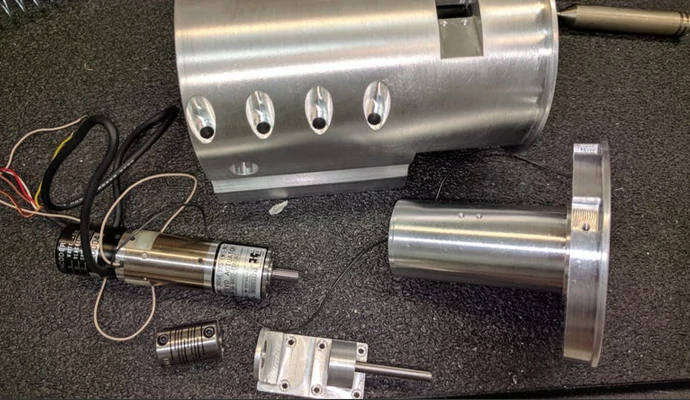
3D Printing for Robotics is increasingly driving innovation in robotic automation parts manufacturing, thanks to its ability to produce organic, complex, and efficient additive parts. As a cornerstone of Additive Manufacturing in Robotic Design, it offers endless possibilities for geometries that may not be possible with machining or molding, and supports a broad material selection of plastics and metals.
This flexibility empowers engineers to create custom robotic components—from lightweight grippers and sensor housings to high-strength end-effectors—without compromising performance. For teams relying on rapid prototyping for robotics, Additive Manufacturing in Robotic Design also allows multi-part assemblies to be combined into a single design, cutting production costs and accelerating time-to-market for robotic systems. By leveraging 3D Printing for Robotics, engineers can push the boundaries of what’s possible in robotic design, turning intricate digital models into functional parts with unmatched speed and precision.
Why 3D printing for the robotics industry?
3D printing for robotics is revolutionizing robotic automation parts manufacturing, providing a powerful solution for producing everything from 3D printed robotic arms and grippers to high-precision sensor housings. These durable materials, originally built for robust aerospace applications, can take the heat—making them equally reliable for industrial and collaborative robotic systems.
- Rapid prototyping for robotics: Accelerate your development cycle by iterating on designs in days, not weeks, to test and refine custom robotic components faster than ever before.
- Design versatility for organic features and complex geometries, including lattice structures: Create complex geometry robotic components that are impossible with traditional machining, and seamlessly pair with China CNC machining for robotics for hybrid precision when needed.
- Weight reduction & single-part manufacturing: Integrate multi-part assemblies into one lightweight design, saving time on assembly and improving the efficiency of 3D printed robotic arms and grippers.
- Waste reduction & cost efficiency: 3D Printing for Robotics minimizes material waste, making it perfect for low-volume robotic parts production and on-demand manufacturing of specialized components. This sustainable approach is a key benefit of Additive Manufacturing in Robotic Design, balancing performance with economic and environmental value.
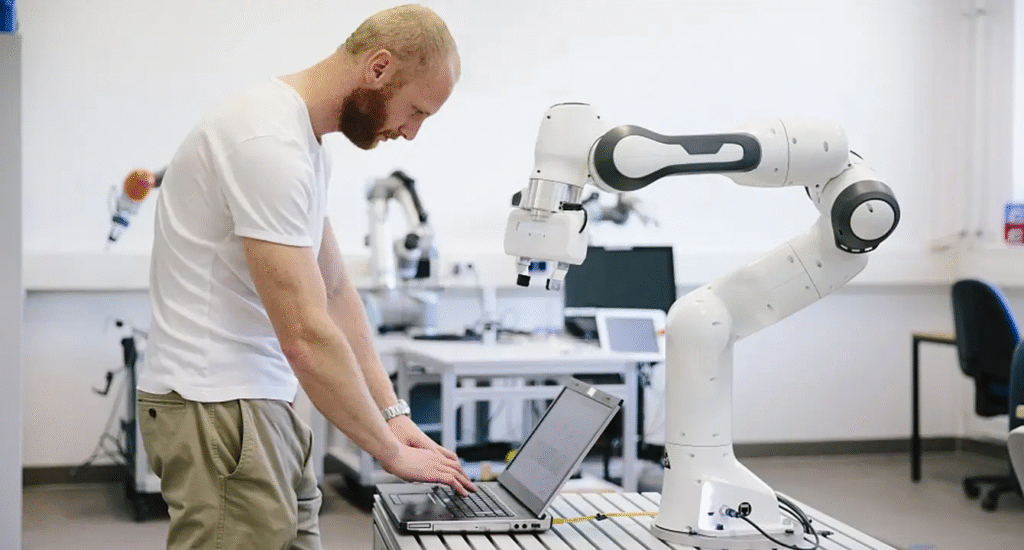
What are common robotic applications of 3D-printed parts?
Injection molding is frequently used within the automotive industry to manufacture quality plastic parts at production volumes. Common applications include:
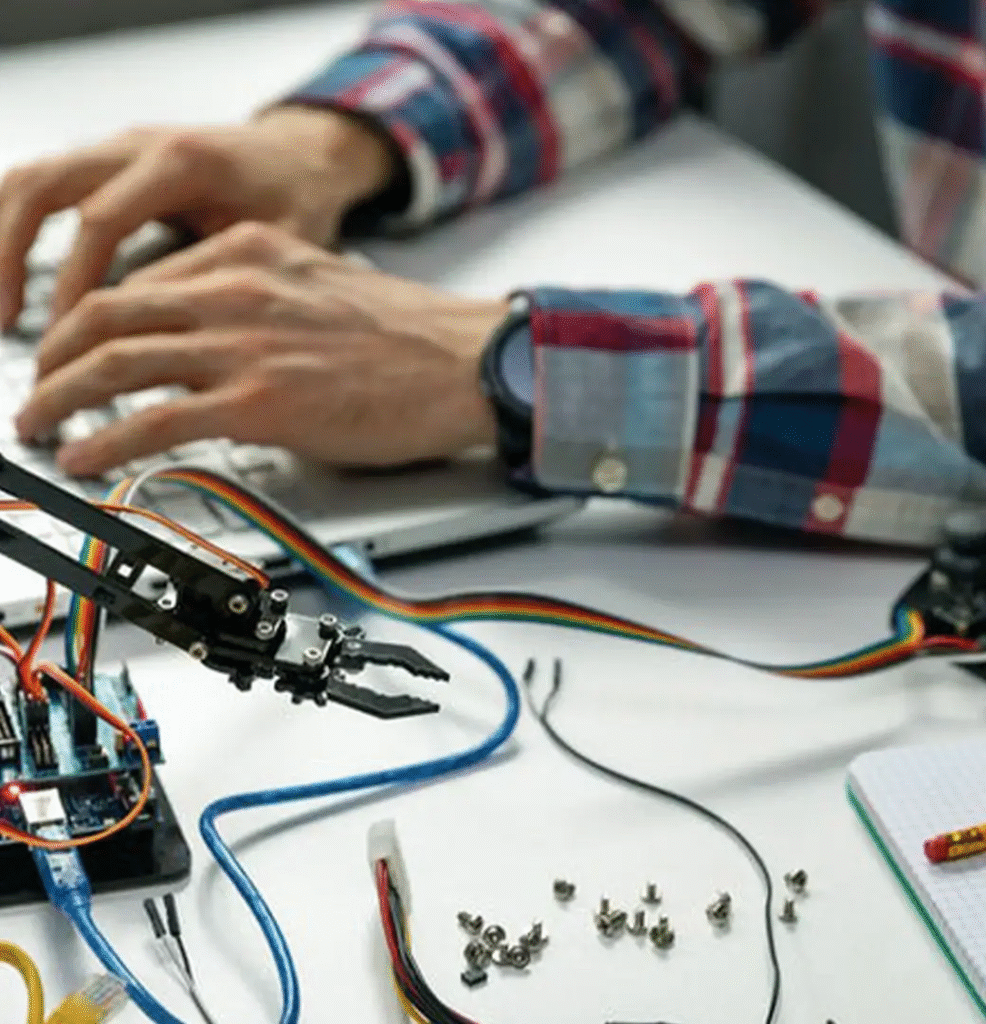
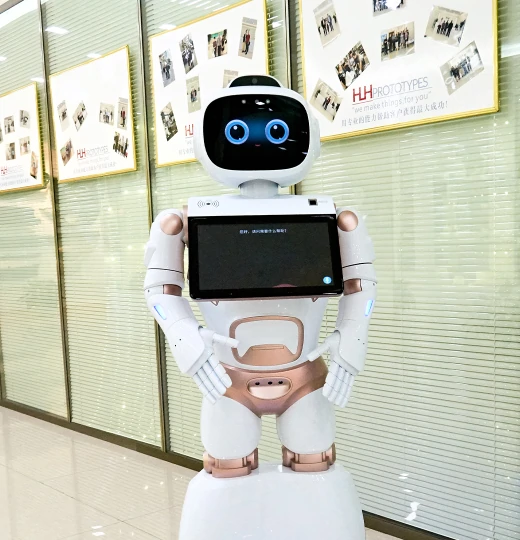
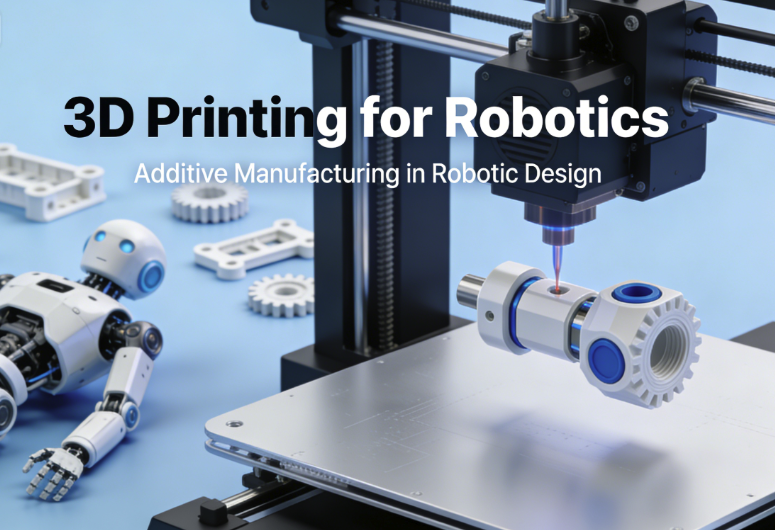
In the world of robotics development, speed and innovation are everything—and 3D Printing for Robotics is completely changing the game.
Traditional machining is not only time-consuming but also limits designers’ creative freedom. With Additive Manufacturing in Robotic Design, complex robotic joints, lightweight enclosures, and customized transmission components can be transformed from digital models into physical parts in just hours. From prototype validation to small-batch production, this technology drastically shortens iteration cycles, letting engineers quickly test different mechanical structures and refine every detail until the robot moves with smooth, fluid precision.
Whether it’s flexible grippers for collaborative robots or bionic bones for biomimetic arms, 3D Printing for Robotics delivers highly customized, complex structures at a lower cost. It also supports a range of high-performance materials, such as carbon fiber-reinforced nylon and heat-resistant resins, making robotic components both lightweight and robust—ideal for industrial and scientific applications.
For engineers and makers alike, Additive Manufacturing in Robotic Design is more than a tool upgrade; it’s a revolution in design thinking. When creativity is no longer constrained by manufacturing processes, the boundaries of robotics development keep expanding. Perhaps the future household robots that accompany us, or the exploration robots that venture to Mars, will have their key components born right here, on a 3D printer just like this.Ready to turn your robotic concept into reality? Our 3D printing solutions can help you build faster, iterate smarter, and bring innovation to life.