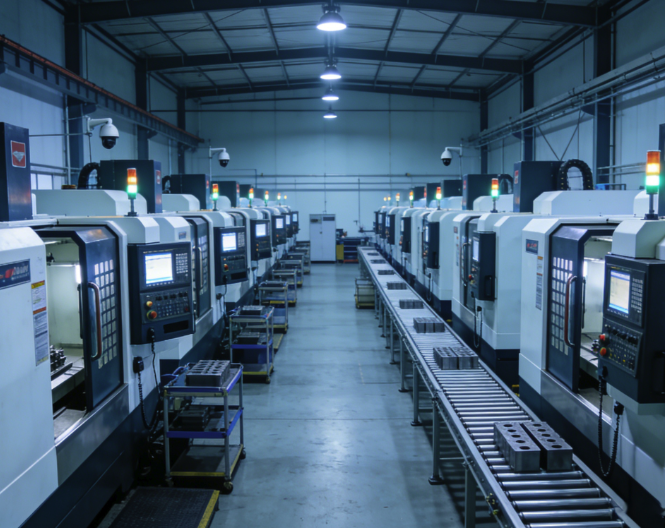
If you’re in the metalworking business, whether you’re a total newbie who knows nothing or a seasoned pro who’s seen it all, you’ve definitely heard the terms cnc for metal and cnc metal cutting. But let’s be real, most people only know the names—they have no clue what they actually are, what they can do, or how to avoid mistakes when looking for a machining shop. Today, I’ll break down these common questions in plain, industry talk—no fancy jargon that goes over your head. Even newbies can understand and use this info right away.
1. First Things First: What Exactly Is CNC for Metal?
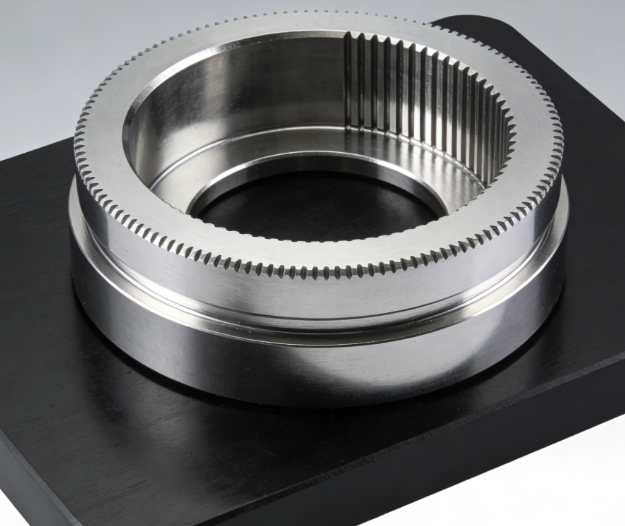
To put it simply, cnc for metal is just a set of computer-controlled equipment and machining methods specifically for working with metal. It’s not that complicated—think “using a computer to control a machine to work on metal precisely.” Some might ask, “Isn’t that just CNC metal cutting?” They’re related, but not the same thing—CNC metal cutting is the core, most commonly used process in cnc for metal. It’s mainly for cutting metal, carving patterns, and making slots. But cnc for metal covers a wider range: besides cutting, it can also drill holes, mill flat surfaces, and turn parts.
Here’s an example you see every day: the metal frame of a phone, those small precision parts on equipment, the patterns on stainless steel railings in communities, and the core components of molds in factories—many of these are made with cnc for metal. Compared to old-fashioned manual machining or regular machine tools, the biggest advantage is that you don’t have to stare at it nonstop. Program it in advance, and the machine works on its own. Every part it makes is exactly the same in size and shape—no more wonky parts like you get with manual work, where one might be good and the next one off.
A lot of newbies hear “CNC” and think the equipment must be super hard to operate. But that’s not true at all. Today’s cnc for metal machines are really smart. Programming uses special software, and the shop’s technicians will set everything up in advance. All you need to do is tell them what you want and what effect you need—they’ll handle the rest. You don’t have to figure out how to program or operate the machine yourself.
2. What Metals Can CNC Metal Cutting Work On? And When Should You Use It?
A lot of people think CNC metal cutting can only work on one or two types of metal, but that’s wrong. It’s really versatile—basically all common metals on the market can be processed. Things like aluminum alloy, stainless steel, carbon steel, copper, zinc alloy, even harder metals like titanium alloy. As long as you adjust the machine parameters correctly, it can cut them precisely and smoothly.
As for when to use it, it’s perfect for any metal part that needs a bit of precision or has a slightly complex shape. These situations are where it really shines:
First, R&D prototyping. When many companies are developing new products, they need a few metal samples for testing. This cutting process is perfect here—no need to make expensive molds. Just provide the drawings, and you can get samples quickly. The precision is high enough to match the design exactly, saving a lot of R&D time and avoiding back-and-forth hassle.
Second, small to medium batch production. For example, if you need tens or hundreds of metal parts at a time, traditional machine tools require constant adjustments, which are slow and error-prone. But with this cutting process, you program it once and then mass-produce. It saves labor, ensures all parts are the same quality, and guarantees on-time delivery—no need to worry about delays.
Third, complex part machining. Parts with curved surfaces, lots of holes, or irregular shapes? You can’t make those by hand, and regular machine tools can barely guarantee precision. That’s where this cutting process excels. No matter how complex the shape, as long as the drawings are clear, the machine can cut it precisely without mistakes—no need for post-processing touch-ups.
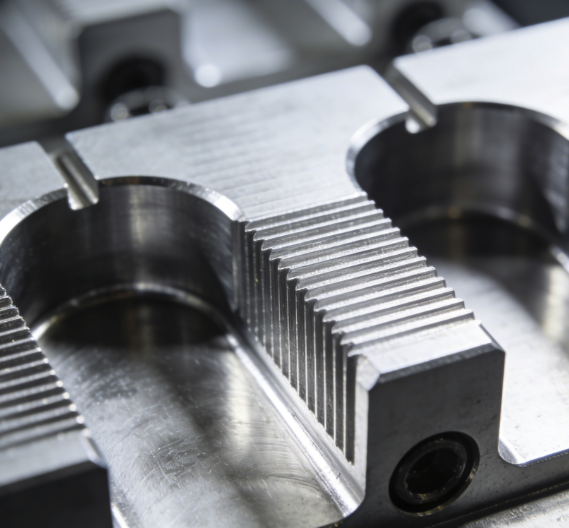
There are also special cases, like carving fine patterns or making slots on metal surfaces, or machining very thin metal parts (like 0.5mm thick aluminum alloy casings). This cutting process handles those easily without damaging the material. The finished surface is smooth, so you don’t need extra polishing—saves a ton of time.
3. Core Advantages of CNC for Metal: How Is It Better Than Traditional Machining?
Anyone in metalworking knows that choosing the right machining method saves a lot of trouble and money. Today, this CNC metal machining is the industry standard because it’s way better than traditional methods. Here are 4 key advantages you’ll actually notice on the job:
First, super high precision—no need for repeated adjustments. In the past, manual machining relied entirely on the craftsman’s skill and experience. A little distraction, and the part size would be wrong. Sometimes the part wouldn’t fit, so you had to redo it—wasting material and delaying the schedule. But this CNC metal machining is controlled by computer programs, with precision down to 0.01mm—about a fraction of a hair’s width. The parts fit perfectly together, so there’s almost no rework—saves material and time.
Second, stable efficiency and labor savings. With traditional machine tools, one worker could only operate one machine, and they had to stare at it constantly—tiring and slow. But with this CNC metal machining, once programmed, the machine can run 24/7 with minimal supervision. One worker can handle multiple machines at once, cutting labor costs a lot. Efficiency also skyrockets—for example, a simple metal part that might take an hour with traditional machining can be done in 10-15 minutes with CNC.
Third, high flexibility—easy to change designs. Whether you’re making samples or mass-producing, just modify the program to switch to a different product quickly. No need to readjust the machine or change molds like with traditional machining. It’s perfect for products that need frequent design changes, drastically shortening the production cycle—no keeping customers waiting.
Fourth, wide applicability—no need to change equipment. As I mentioned earlier, this CNC metal machining can work on various metals and handle cutting, drilling, milling, etc. You don’t need to switch machines for different tasks—one machine meets most machining needs. For small and medium-sized businesses, this saves a lot of money on equipment—super cost-effective.
4. Must-Know for Newbies: Avoid These Mistakes When Choosing CNC for Metal Machining
Even though this CNC metal machining and its core cutting process have many benefits, many newbies easily make mistakes when looking for a machining shop. In the end, the product is either不合格, delayed, or they end up spending a lot of unnecessary money. Today, I’ll break down the 4 most common mistakes in the industry to help you avoid detours:
First mistake: Not clarifying your precision requirements. A lot of people go to a shop and just say, “I need a metal part” without specifying how precise it needs to be. The shop then uses default precision, and the final product doesn’t meet your needs—so you have to redo it. So make sure to check the drawings in advance, figure out the tolerance requirements, and communicate them clearly to the shop to avoid problems later.
Second mistake: Ignoring material selection. Different metals have different machining difficulties and costs. For example, stainless steel is harder than aluminum alloy, so it’s more labor-intensive to machine and costs a bit more. Titanium alloy is even harder, with stricter machining requirements. Choose the right metal based on your product’s use—don’t blindly chase “high hardness,” otherwise you’ll just waste money.
Third mistake: Not communicating surface treatment needs. Many metal parts need surface treatment after machining, like anodizing, sandblasting, brushing, or electroplating. Different treatments have different effects and costs. If you don’t tell the shop in advance, they might skip it or do a treatment that doesn’t meet your needs. Reworking later wastes time and money.
Fourth mistake: Not confirming delivery time and minimum order quantity (MOQ). Many shops have an MOQ, and delivery time varies based on machining difficulty and batch size. If you don’t confirm in advance, you might end up with situations like “you need 10 parts, but the shop’s MOQ is 100” or “agreed 10-day delivery, but it takes 20 days”—delaying your project and not being worth it.
5. Final Summary: How Should Newbies Choose CNC for Metal Machining?
For newbies, there’s no need to get hung up on the difference between CNC metal machining and its core cutting process. Just remember one thing: if you need metal parts that are precise, complex, or for small-batch production/R&D prototyping, this CNC machining method is the way to go. Its core cutting process meets most people’s machining needs.
When looking for a machining shop, you don’t have to go for big-name ones. Focus on three things: 1) Is the shop’s equipment precise enough? 2) Do the craftsmen have enough experience? 3) Is there after-sales support? If these three are good, you’ll basically avoid mistakes. Also, make a sample first—confirm it’s qualified before mass production. This ensures the best product quality and avoids problems later.
Overall, this CNC metal machining is now the mainstream in the metalworking industry. It not only improves efficiency and ensures product quality but also saves costs and shortens production cycles. Whether you’re a newbie just starting out or an established shop looking to upgrade your machining methods, understanding this info will help you avoid detours in metalworking and easily handle all kinds of machining jobs.