 Skip to content
 If you work in the manufacturing industry, especially in areas that deal with precision components, you’ve probably heard of precision grinding and precision castparts locations. But here’s the thing—most people don’t realize just how much these two things are connected, and how choosing the right precision castparts locations can make or break your precision grinding process. I’ve been in this field for over a decade, working with everything from small precision parts for medical devices to large components for aerospace, and I’ve seen firsthand how a bad location choice can lead to wasted time, money, and frustration. So today, I want to break this down in plain English, no fancy jargon, just real-world insights on why precision castparts locations matter for precision grinding, and how to choose the right one for your business.
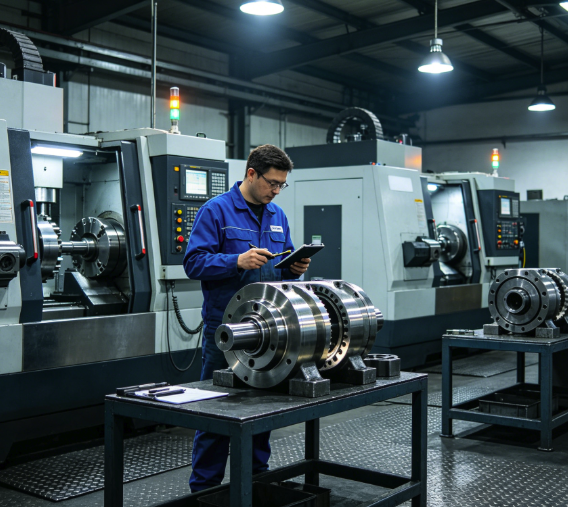
First, Let’s Get Clear: What Even Are Precision Grinding and Precision Castparts Locations?
Before we dive into why location matters, let’s make sure we’re all on the same page. I know some of you might be new to this, so I’ll keep it simple. Precision grinding is exactly what it sounds like—it’s a machining process where we use specialized tools to grind down metal parts to extremely tight tolerances. We’re talking fractions of a millimeter here—so precise that if you get it wrong, the part won’t work. It’s used in almost every industry that needs high-quality, accurate components: aerospace, automotive, medical, electronics, you name it. Without precision grinding, most of the things we rely on every day—from the engine in your car to the components in your phone—wouldn’t function properly.
Now, precision castparts locations are the physical sites where we produce the precision cast parts that go into the precision grinding process. These aren’t just random warehouses or factories—they’re specialized facilities designed to create cast parts with the right material properties, dimensions, and surface quality to make precision grinding effective. Think of it like baking: if you start with bad flour (the cast part from a poor location), no matter how good your oven (precision grinding equipment) is, the cake (final component) is going to be a mess. So precision castparts locations are the foundation of a successful precision grinding operation, and choosing the right one is non-negotiable.
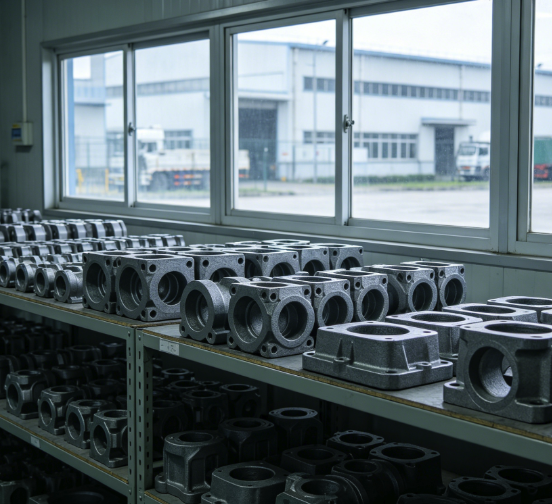
Why Precision Castparts Locations Are Make-or-Break for Precision Grinding
I’ve had clients come to me frustrated because their precision grinding process is inconsistent—parts are coming out too rough, tolerances are off, and they’re wasting hours reworking or scrapping components. More often than not, the problem isn’t with their grinding equipment or their team—it’s with their precision castparts locations. Let me break down the three biggest reasons why location matters so much, based on what I’ve seen in the field.
1. Material Quality Starts at the Location
Precision grinding relies on cast parts that have consistent material properties—things like hardness, density, and grain structure. If your precision castparts locations don’t have the right equipment or processes to control these properties, the parts you get will be all over the place. For example, I once worked with a client who was getting cast parts from a location that cut corners on heat treatment. The parts looked fine on the surface, but when we started precision grinding, some would grind smoothly, while others would chip or crack because the material was too brittle. It turned out the location didn’t have proper temperature control in their heat treatment area, so the metal’s hardness was inconsistent.
A good precision castparts location will have strict quality control measures in place to ensure every cast part is uniform. They’ll use high-quality raw materials, monitor every step of the casting process, and test parts regularly to make sure they meet the specs needed for precision grinding. If you skip this step and choose a location that doesn’t prioritize material quality, you’ll be fighting an uphill battle with your grinding process—no matter how skilled your operators are.
2. Proximity Saves Time, Money, and Headaches
One of the most overlooked aspects of choosing precision castparts locations is proximity to your precision grinding facility. I can’t tell you how many clients I’ve seen waste thousands of dollars on shipping and handling because they chose a cast parts location halfway across the country (or even the world). Let’s do the math: if you’re shipping large, heavy cast parts, you’re looking at high freight costs, longer lead times, and a higher risk of damage during transit. And if a part gets damaged in shipping, you have to wait for a replacement—delaying your grinding process and pushing back delivery to your customers.
But proximity isn’t just about shipping costs. It also makes communication easier. If you have a question about a batch of cast parts, or if you need to adjust a spec, you can pick up the phone and talk to someone at the precision castparts location quickly—no time zone delays, no language barriers. I had a client once who switched from an overseas precision castparts location to one just 50 miles from their grinding facility. Their lead times dropped by 60%, shipping costs went down by 40%, and they had far fewer issues with damaged parts. It was a game-changer for their business, all because they prioritized proximity.
3. Environmental Conditions Affect Both Casting and Grinding
You might not think about it, but the environment where your cast parts are made has a direct impact on how they perform during precision grinding. Precision castparts locations need to have controlled environments—stable temperature, humidity, and air quality—to ensure consistent casting results. For example, if a location is in an area with high humidity, the mold materials can absorb moisture, which leads to defects in the cast parts (like porosity or cracks). When those parts go into precision grinding, those defects become even more noticeable—you might end up with parts that have uneven surfaces or that don’t meet tolerance requirements.
The same goes for temperature. If the precision castparts location has large temperature fluctuations, the metal can expand or contract during casting, leading to dimensional inconsistencies. When you grind those parts, you’ll have to spend extra time adjusting your equipment to compensate, which slows down your process and increases the risk of error. A good precision castparts location will have climate-controlled facilities to keep these variables in check, ensuring that every cast part is consistent and ready for precision grinding.
Common Mistakes to Avoid When Choosing Precision Castparts Locations
Now that you know why precision castparts locations matter for precision grinding, let’s talk about the mistakes I see people make all the time. These mistakes are easy to avoid, but they can cost you a lot if you’re not careful. I’ve made some of these mistakes myself early in my career, so I’m speaking from experience here.
Mistake #1: Choosing Based on Price Alone
This is by far the biggest mistake. I get it—every business wants to save money, but choosing the cheapest precision castparts location you can find is a false economy. I once had a client who switched to a low-cost location to save 10% on cast parts. At first, it seemed like a good deal, but within a month, they were dealing with constant quality issues: parts that were out of spec, material inconsistencies, and even defects that caused their grinding tools to wear out faster. The cost of reworking parts, replacing tools, and delaying orders ended up being three times what they saved on the cast parts. Don’t fall for the low-price trap—focus on value, not just cost. A slightly more expensive precision castparts location that delivers consistent, high-quality parts will save you money in the long run.
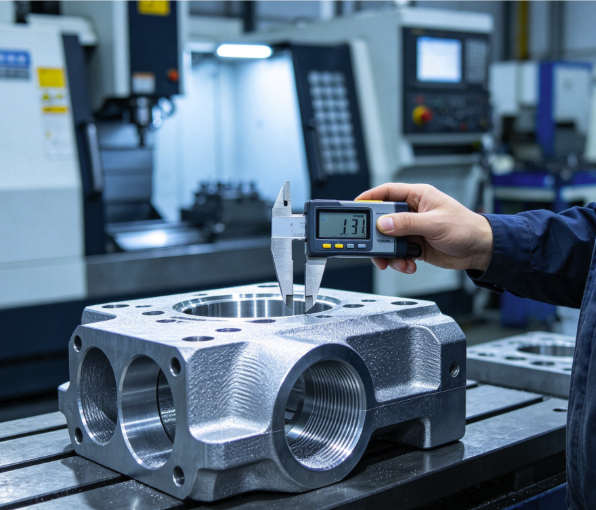
Mistake #2: Not Visiting the Location in Person
In the age of video calls and online tours, it’s easy to skip visiting a precision castparts location in person. But I can’t stress enough how important this is. A video tour can hide a lot—old equipment, poor quality control, messy facilities, even safety issues. I once had a client who chose a location based on a fancy online presentation, but when they finally visited, they found that the facility was disorganized, the equipment was outdated, and the staff didn’t have the expertise to produce the parts they needed. By then, they had already signed a contract and had to spend months renegotiating. Always visit the precision castparts location in person—walk through the facility, talk to the staff, check out their quality control processes. It’s the only way to be sure you’re making the right choice.
Mistake #3: Ignoring the Location’s Expertise
Not all precision castparts locations are the same—some specialize in certain types of cast parts, materials, or industries. For example, a location that’s great at producing small, delicate cast parts for medical devices might not be the best choice for large, heavy cast parts for aerospace. I had a client who needed precision cast parts for a high-temperature application, but they chose a location that didn’t have experience with heat-resistant materials. The parts they got couldn’t withstand the temperatures they needed, and they had to start over with a new location. Before choosing a precision castparts location, make sure they have experience with the type of parts you need and the materials required for your precision grinding process. Ask for references, look at their past work, and make sure they understand your specific needs.
How to Choose the Right Precision Castparts Locations for Your Precision Grinding Needs
Now that we’ve covered the why and the mistakes to avoid, let’s get to the practical stuff: how to actually choose the right precision castparts location. I’ve developed a simple, step-by-step process over the years that has helped my clients make the right choice every time. It’s not complicated, but it requires a little bit of research and due diligence.
Step 1: Define Your Requirements Clearly
Before you start looking for precision castparts locations, you need to know exactly what you need. What type of cast parts are you producing? What materials do you need? What are the tolerance requirements for your precision grinding process? How many parts do you need per month? Do you have any special requirements (like heat treatment, surface finish, or environmental controls)? The more specific you are, the easier it will be to find a location that can meet your needs. I recommend writing down a detailed list of requirements—this will help you narrow down your options and avoid wasting time on locations that can’t deliver.
Step 2: Research Potential Locations
Once you have your requirements, it’s time to start researching precision castparts locations. Start by asking for recommendations from colleagues in your industry—word of mouth is one of the best ways to find reliable locations. You can also search online, but be careful—many locations have fancy websites but don’t deliver on their promises. Look for locations that have experience in your industry, positive reviews, and a proven track record of delivering high-quality cast parts. Make a list of 3-5 potential locations to evaluate further.
Step 3: Visit and Evaluate Each Location
As I mentioned earlier, visiting each precision castparts location in person is a must. During your visit, pay attention to the following: the condition of the facility and equipment, the quality control processes (do they test parts regularly? Do they have documentation?), the expertise of the staff (do they understand precision grinding and your specific needs?), and the environmental controls (is the facility climate-controlled?). Don’t be afraid to ask questions—lots of them. Ask about their lead times, their capacity, their error rate, and how they handle issues if they arise. A good location will be transparent and happy to answer your questions.
Step 4: Compare Your Options
After visiting each location, it’s time to compare your options. Create a spreadsheet with your requirements on one side and each location on the other. Score each location based on how well they meet your requirements—things like quality, proximity, expertise, cost, and lead times. Don’t just focus on one factor—for example, a location that’s close but has poor quality isn’t a good choice, and a location that’s high-quality but way too expensive might not be feasible. Look for the location that offers the best balance of all your requirements.
Step 5: Start Small and Test
Once you’ve chosen a precision castparts location, don’t sign a long-term contract right away. Start with a small order to test their capabilities. Send them a batch of parts and see how they perform during your precision grinding process. Are the parts consistent? Do they meet your specs? Is the lead time as promised? If everything goes well, you can gradually increase your order size. If not, you can make adjustments or switch to another location without a big commitment. This step is crucial—it helps you avoid getting stuck with a location that can’t deliver.
Real-World Example: How the Right Precision Castparts Location Transformed a Client’s Business
To make this all more concrete, let me share a real example from my career. A few years ago, I worked with a client who was in the aerospace industry—they produced precision components for jet engines, which require extremely tight tolerances and high-quality materials. Their precision grinding process was struggling: parts were coming out with inconsistent surface finishes, and they were scrapping about 20% of their parts, which was costing them tens of thousands of dollars a month.
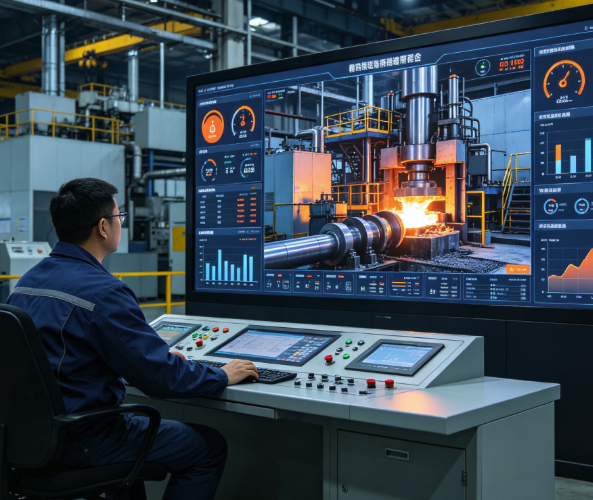
After evaluating their process, I realized the problem was their precision castparts location. They were using an overseas location that was cheap but had poor quality control. The cast parts had inconsistent hardness, and some had small defects that were only visible during precision grinding. We helped them find a new precision castparts location just 100 miles from their grinding facility—one that specialized in aerospace components and had strict quality control measures in place.
Within a month of switching, their scrap rate dropped to 2%, their lead times were cut in half, and their precision grinding process became much more consistent. They saved over $100,000 in the first year alone, and their customers were happier because they were receiving higher-quality parts on time. All of this happened because they took the time to choose the right precision castparts location for their precision grinding needs.
Final Thoughts: Don’t Overlook This Critical Step
At the end of the day, precision grinding is only as good as the cast parts you put into it—and the cast parts are only as good as the precision castparts locations where they’re made. It’s easy to get caught up in the details of your grinding equipment or your operators, but choosing the right location is the foundation of a successful operation. It saves you time, money, and frustration, and it ensures that you’re delivering high-quality components to your customers.
If you’re struggling with your precision grinding process, take a step back and evaluate your precision castparts locations. Chances are, that’s where the problem lies. And if you’re just starting out, don’t rush the process—take the time to research, visit locations, and test before committing. It’s one of the best investments you can make in your business.
Remember, precision grinding and precision castparts locations go hand in hand. You can’t have one without the other, and choosing the right location will make all the difference. So take the time to do it right—your bottom line (and your customers) will thank you.